Wildlife Gallery
When relaxing outdoors on a nice day,
you'll hear the birds sing & see the squirrels play. I love walking
down the river walk, smoking some bud as the ducks & many types of
diving birds race down the river. I've photographed a lot of the
wildlife around Reno, the ducks & geese hog the lens
occasionally. I upload new photographs here almost every week, you never
know what species I'll end up upload here after I stumble upon them.
Wildlife Gallery Index
Northern Flicker
The northern flicker is a medium large, ground foraging bird belonging to the woodpecker family that measures about 12 inches long. Unlike most woodpeckers, this bird spend plenty of time on the ground digging into dirt & ant hills. The northern flicker is known to communicate with loud rolling rattle call a "wicka" courtship sound & mechanical drumming on trees or metal objects to defend territory. The northern flicker is native across most of North America, extending down to parts of Central America, Cuba & the Cayman Islands.


The downy woodpecker is the smallest woodpecker species in North America, they can be found in open woodlands, forest edges, suburban parks, orchards & backyard gardens. The diet of the downy woodpecker consists mainly of insects, including wood-boring beetle larvae, ants & caterpillars, they also supplements its diet with seeds, berries & grains. You can attract them into your yard using a backyard feeder, they like black oil sunflower seeds & peanuts. Instead of singing melodious songs, they'll rapidly drum onto hollow wood or metal surfaces to communicate territory & attract mates. These woodpeckers were photographed in Reno at the Rancho San Rafael regional park.


A grater snake is a small to medium-sized, non-venomous reptiles native to North & Central America known for their distinct lengthwise stripes. Adults typically grow between 20 to 30 inches long, though some species can reach up to 54 inches. Grater snakes prefer meadows, forests, gardens & wetlands, usually staying close to water sources. A grater snakes diet consist of earthworms, amphibians, insects, small fish, & slugs. During winter, they gather in large communal underground dens to hibernate, a typical den housing hundreds to a few thousand grater snakes.


The black billed magpie is a large, intelligent songbird in the crow & jay family native to the western half of North America. Black billed magpies are omnivores, eating bird eggs, small rodents, carrion, berries, seeds & insects. Black billed magpies are often seen hopping on the ground or perching on large animals like deer and cows to eat ticks. Black billed magpies prefer open country, meadows, grasslands, sagebrush plains & streamside thickets near trees. They also adapt well to farm fields & suburban areas.


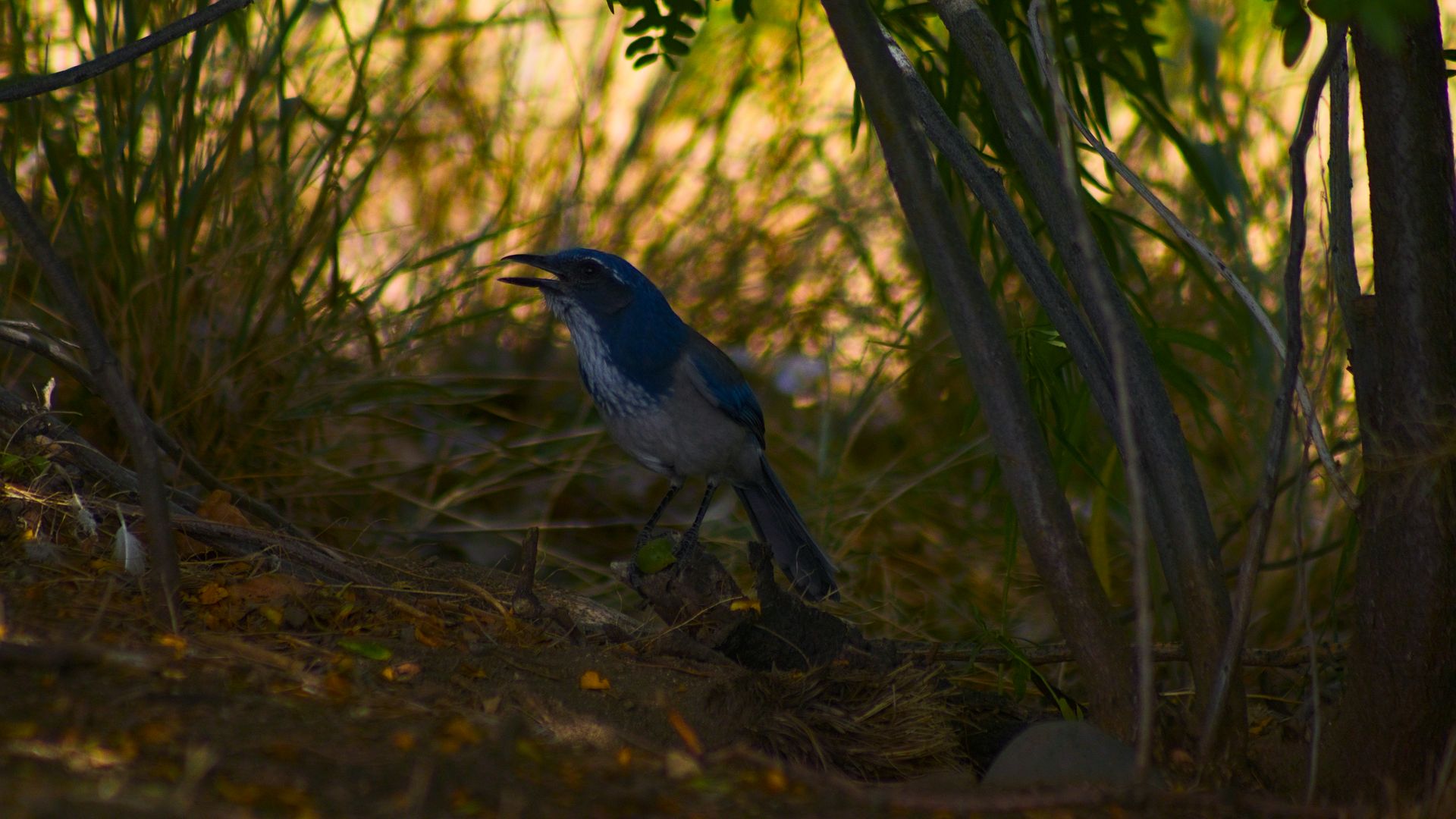
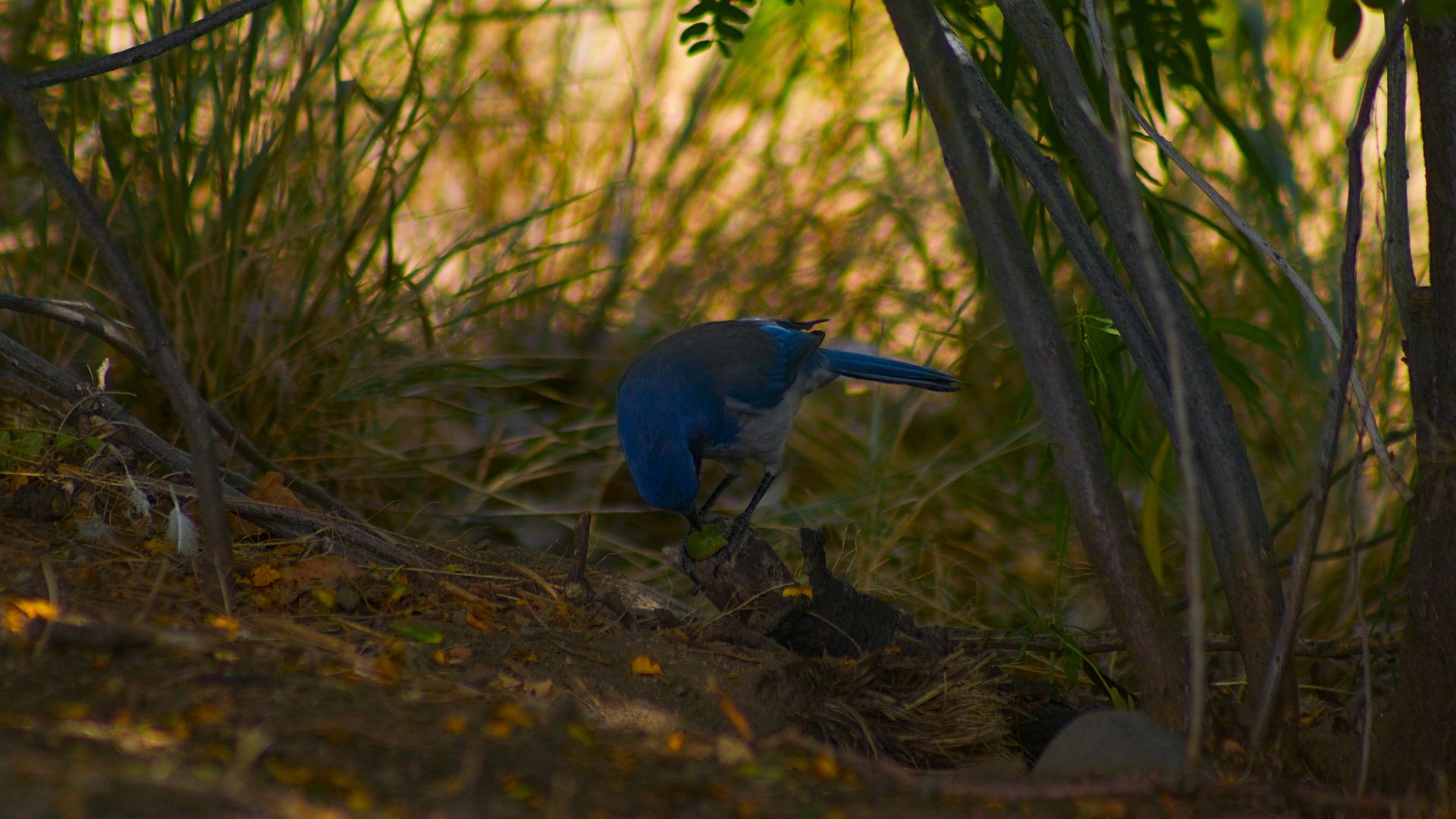
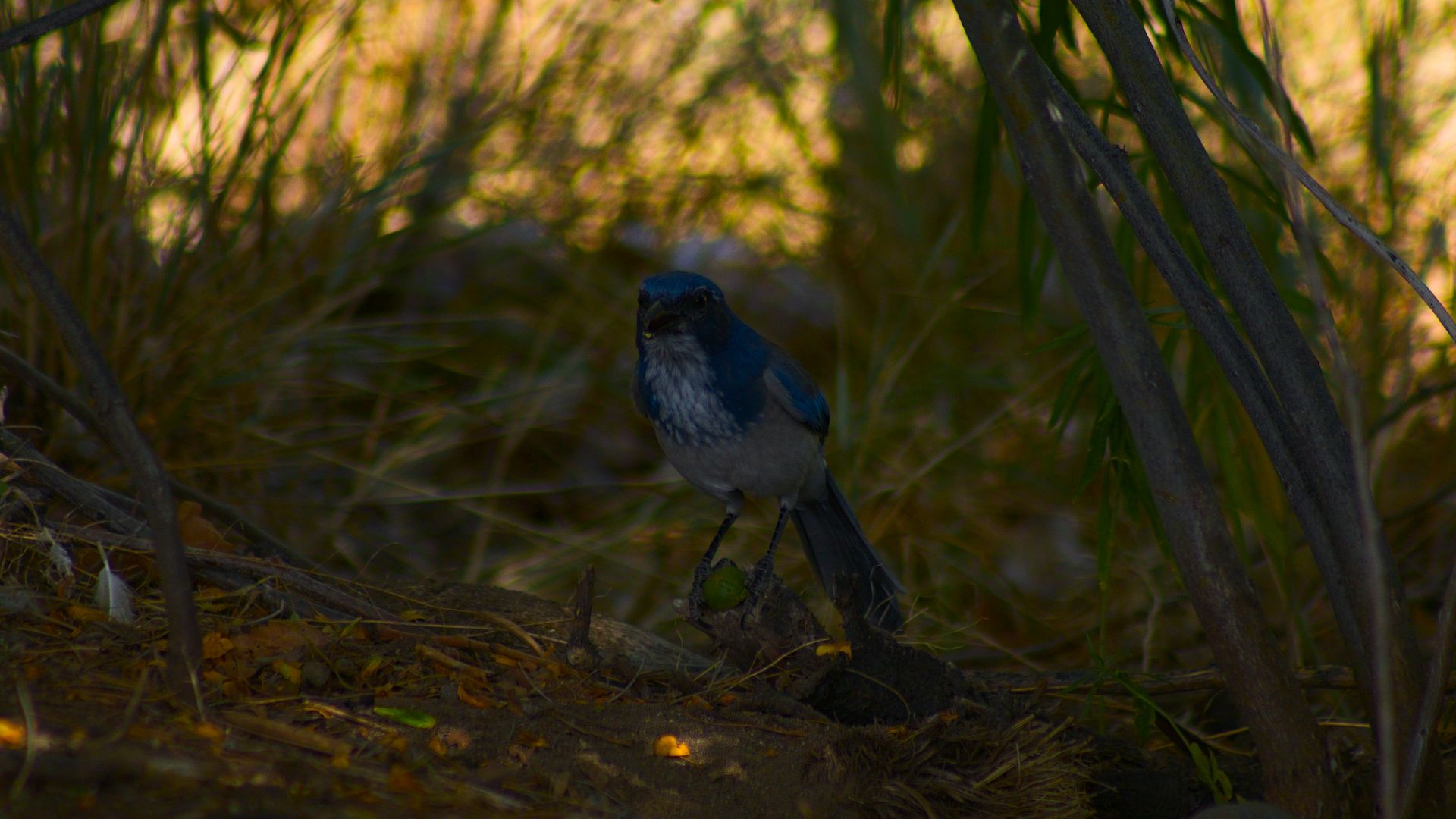
The California shrub jay is a smart non-migratory bird in the crow and raven family, they native to the shrublands, oak woodlands, and suburban backyards of western north America. A California shrub jay can be spotted in parks & in your backyard if you place a bird feeder or two outdoors. These birds are omnivores so they will eat insects, seeds, berries, nuts, small reptiles & eggs. The California jay creates caches containing acorns and seeds each season, using their memory to find them later, playing a major role in planting oak trees.



The American Robin is a large widespread north American songbird in the thrush family famous for its bright reddish orange-breast & early morning spring song. The American Robins diet consist of earthworms, grubs & insects from spring to summer, shifting to fruits & berries from fall to winter. If you're looking for them to do some wildlife photography, you could finds them across north America in open woodlands, lawns, parks, fields & suburban backyards.


The mourning dove is a member of the dove family, it is one of the most abundant & widespread North American birds. The mourning dove is a popular game bird with more than 20 million birds shot annually in the united states for both sport & meat. Its ability to sustain its population under such pressure is due to its prolific breeding in warm areas, a single pair may raise up to six broods of two young each in a single year. The mourning doves diet consists of about 99% seeds but can also include wild grasses, weeds & cultivated grains. To attract mourning doves into your backyard, you can grow some wild grass or have a bird feeder with unsalted sunflower seeds.


The Common Goldeneye is a medium sized diving duck famous for the sharp whistling sound its wings make during flight. Adult males feature a dark, iridescent green-black head, a distinct round white spot on the face near the bill, a crisp black & white body along with bright golden yellow eyes. The adult females have a chocolate brown head, a gray body, pale yellow eyes & a dark bill that often features a yellow tip. They dive underwater to forage for aquatic insects, crustaceans, mollusks & small fish.


The black crowned night heron is a stocky, medium sized wading bird known for its distinctive red eyes & nocturnal hunting habits. These birds feature a neat black crown & back, pale gray wings, white or light gray underparts & striking bright red eyes. During the breeding season, they grow two to three long, slender white plumes from the back of the head. This bird is most active at dusk, during the night & in the early morning. They're opportunistic predators that eat fish, amphibians, crayfish, insects, small mammals, reptiles & occasionally eggs or carrion.


The brewer's blackbird is a medium sized, ground foraging North American songbird known for the male's striking iridescent plumage & pale yellow eyes. Brewer's blackbirds prefer open & semi-open country, including grasslands, agricultural fields, marshes & heavily human-modified spaces. Brewer's blackbird eat insects during breeding season & adds weed seeds, waste grain & berries in the fall & winter.


The hooded merganser is a small, striking diving duck native exclusively to north America, easily recognized by its dramatic, fan shaped head crest. A male hooded merganser feature a large, adjustable white "hood" bordered in black, a black back, rich rust-colored flanks & a striped chest. The hooded merganser's diet consists mainly of small fish, crayfish, aquatic insects & other small crustaceans. The hooded merganser dives & swim underwater using specialized underwater "goggles" (a nictitating membrane) to spot & catch prey by sight.


The common merganser is a large, streamlined diving duck known for its slender, saw-toothed red bill used to catch fish. They typically prefer clear freshwater rivers, streams & lakes surrounded by northern or mature forests. Common mergansers can be found across northern North America, Europe & Asia. They're primarily piscivorous (fish-eating) & utilizing the sharp serrations on their bills to grip slippery prey, they also eat aquatic invertebrates, amphibians & small mammals. Common mergansers swim low in the water or dive expertly but move clumsily on land in an upright, penguin like stance.


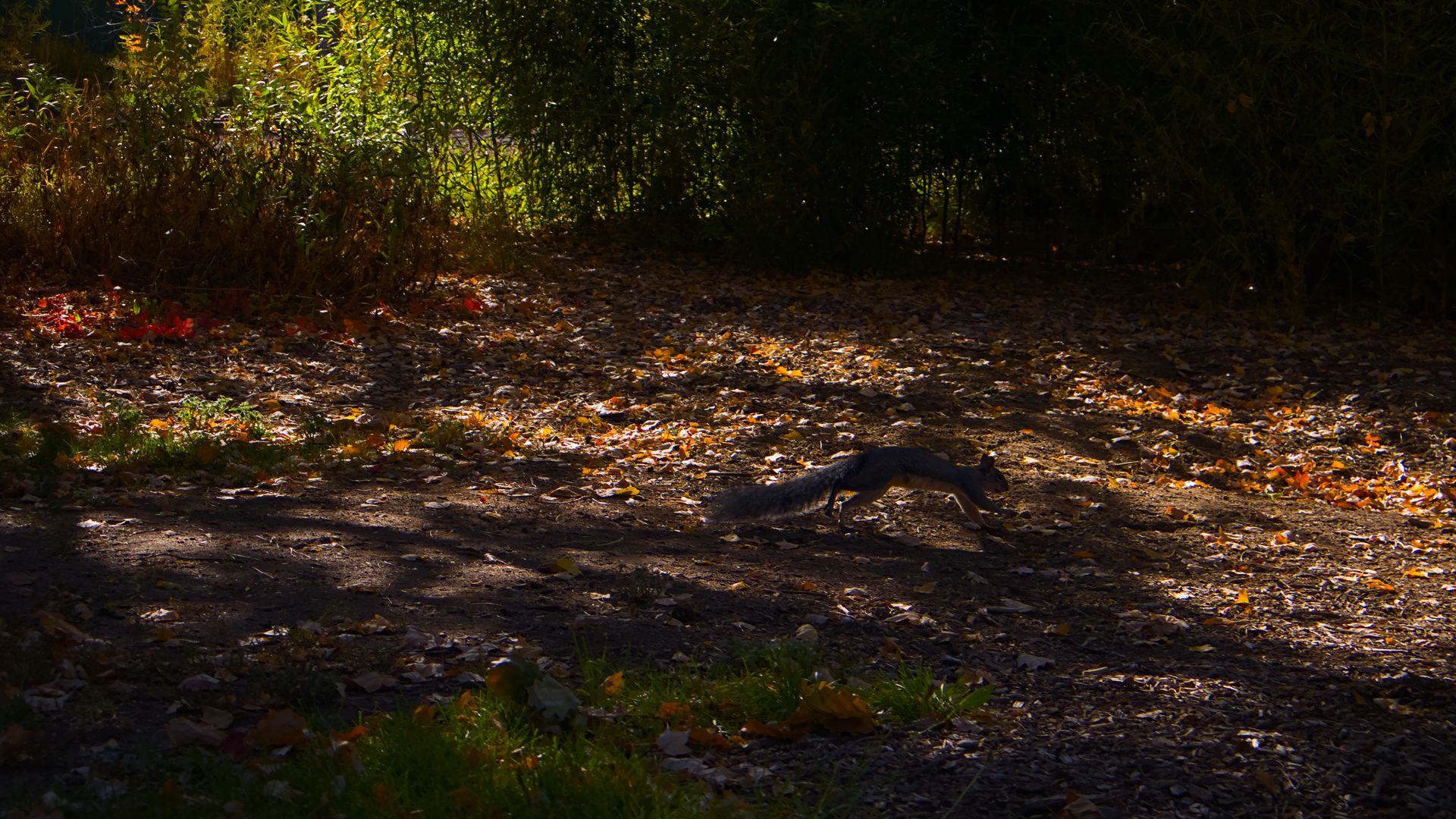
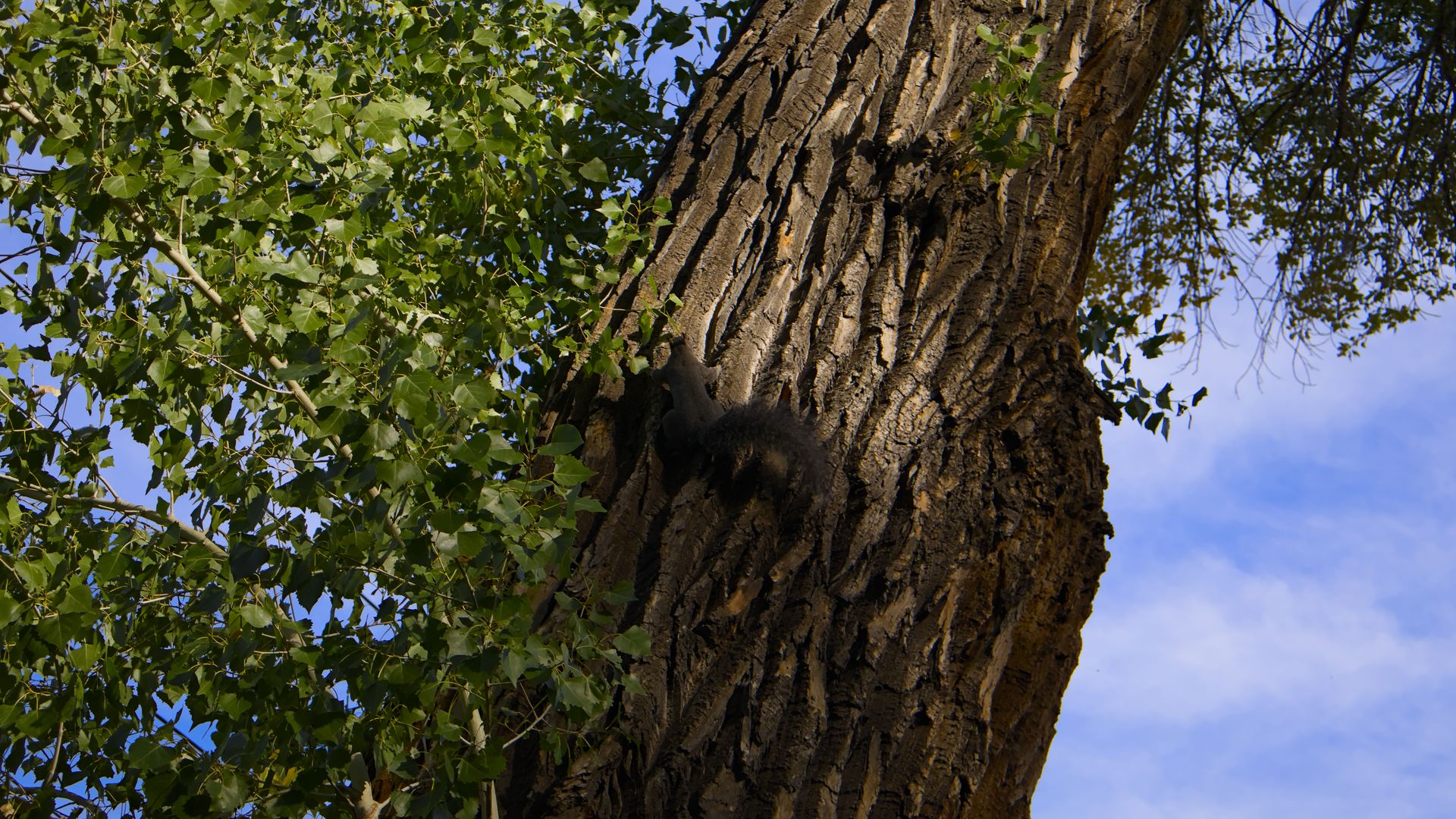
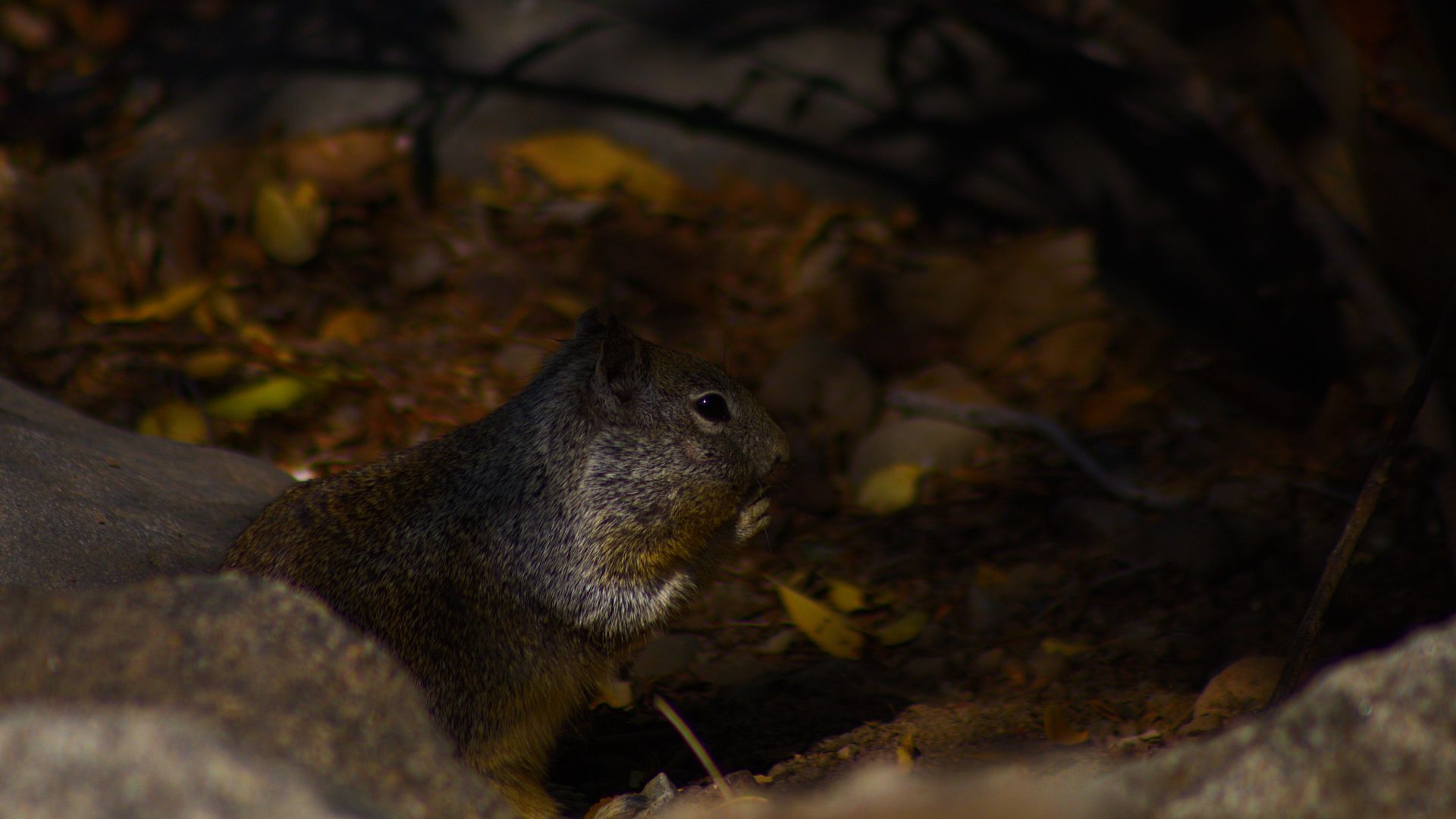
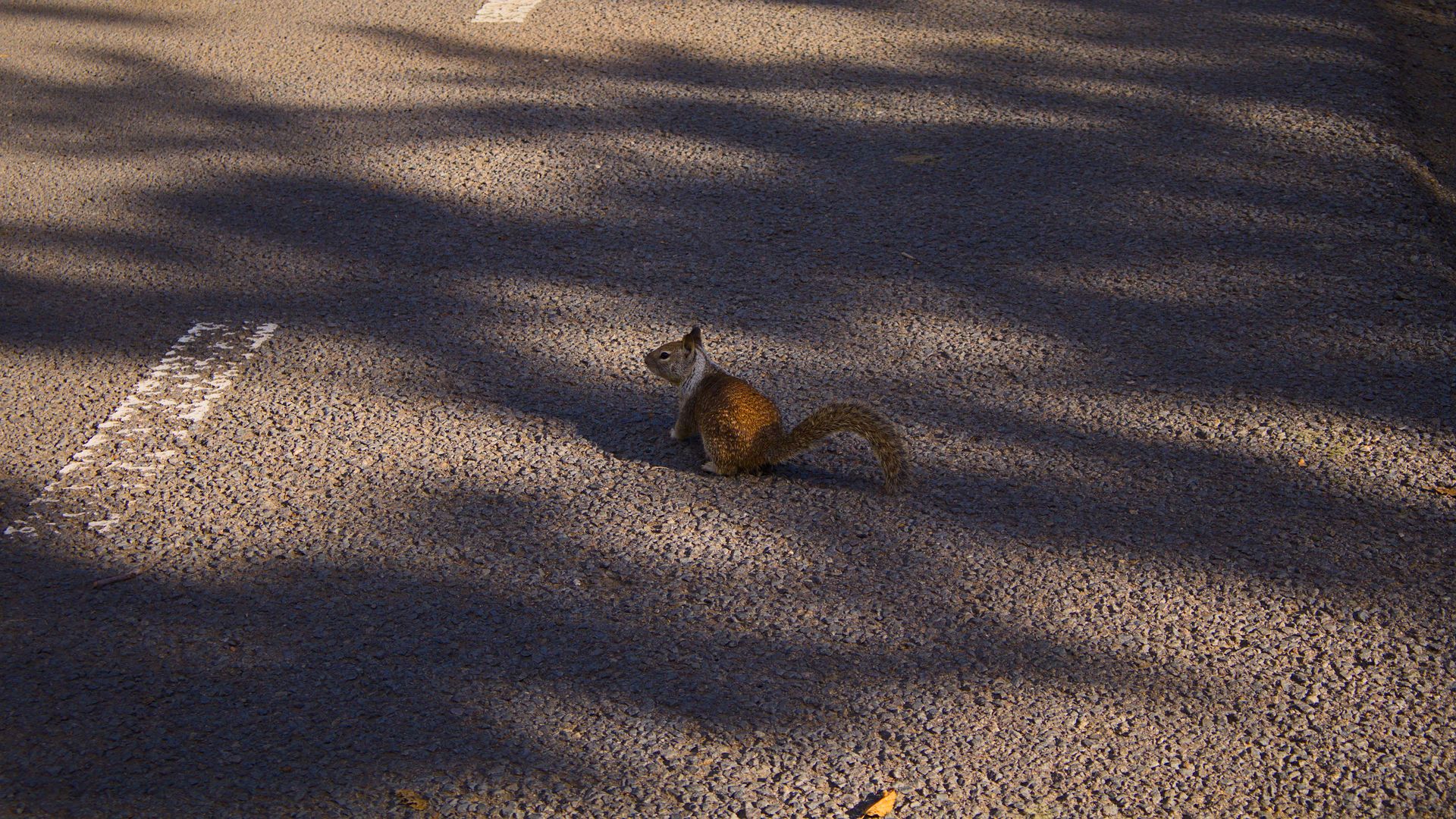
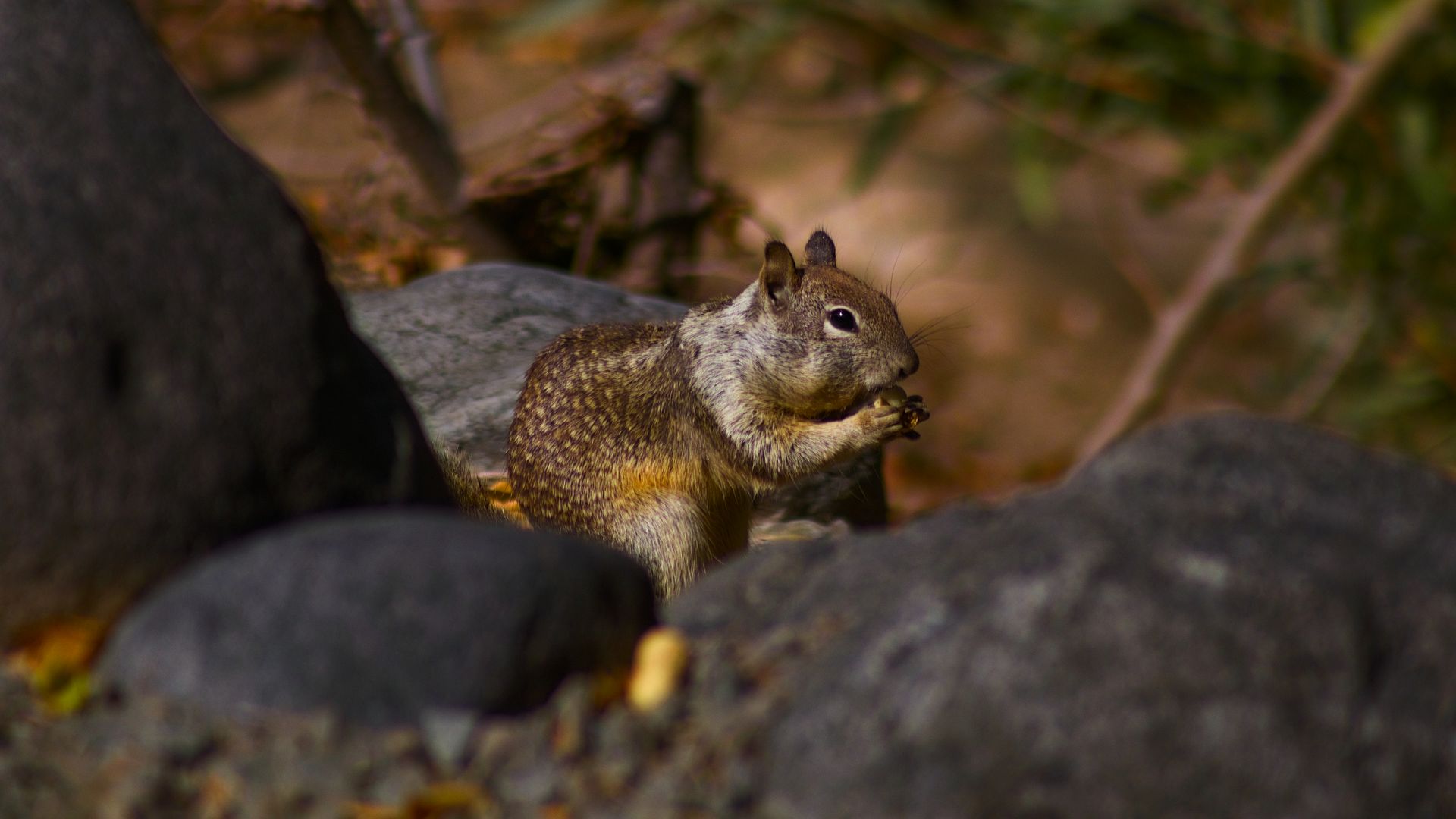
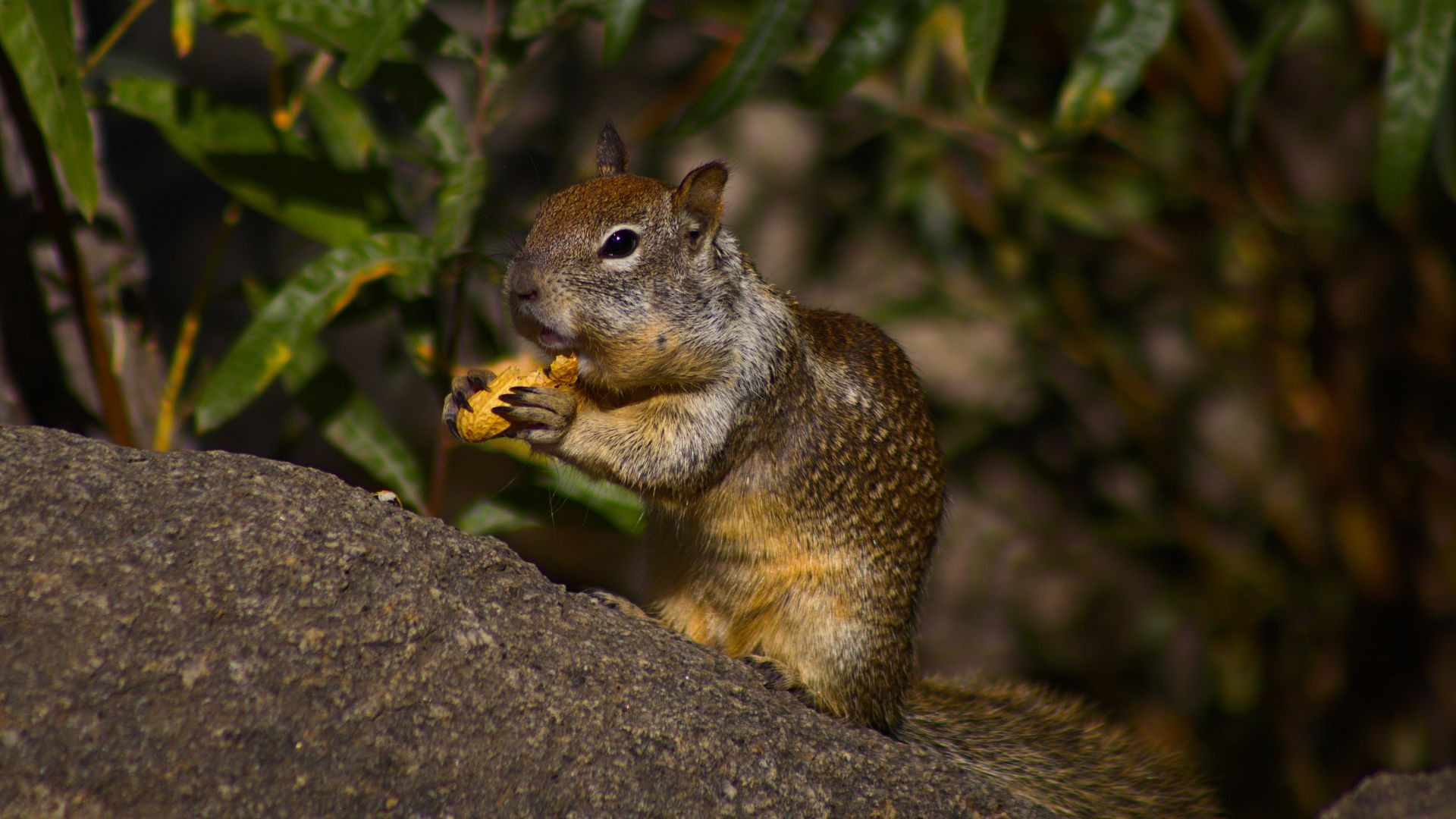
The eastern gray squirrel is a common, highly adaptable tree squirrel native to eastern north America. Eastern gray squirrels mature hardwood & mixed forests containing nut bearing trees like oak, hickory & beech. They are highly successful in suburban parks, backyards & urban spaces using trees, fences & power lines. Eastern gray squirrels primarily feed on tree nuts, seeds, acorns, walnuts, flowers, buds & fungi, but occasionally eats insects, bird eggs & small frogs. They bury thousands of individual nuts & seeds in shallow caches across its territory to retrieve during winter.












The American coot is a plump, dark-gray waterbird with a bright white bill that belongs to the rail family rather than being a true duck. The American coot can be spotted in freshwater marshes, lakes, ponds & slow-moving rivers across North America. They usually gather in large flocks on open water called rafts or covers. American coots usually eat mostly aquatic plants, algae, seeds, snails & small insects. To forage they tip up or dive underwater to reach plants, popping back up like a toy, they also steal food from other ducks.


The red billed gull is a medium-sized white seagull native to New Zealand. They feature an almost completely white body with pale grey wings & back, black & white wing tips & bright red orange bills, legs & eyelids. They are usually found throughout the New Zealand coastline, urban areas, harbors & outlying subantarctic islands. A black billed gulls diet consists mainly of natural marine prey like krill & small fish, alongside earthworms & human food scraps, they are also known as kleptoparasites that steal food from other birds.


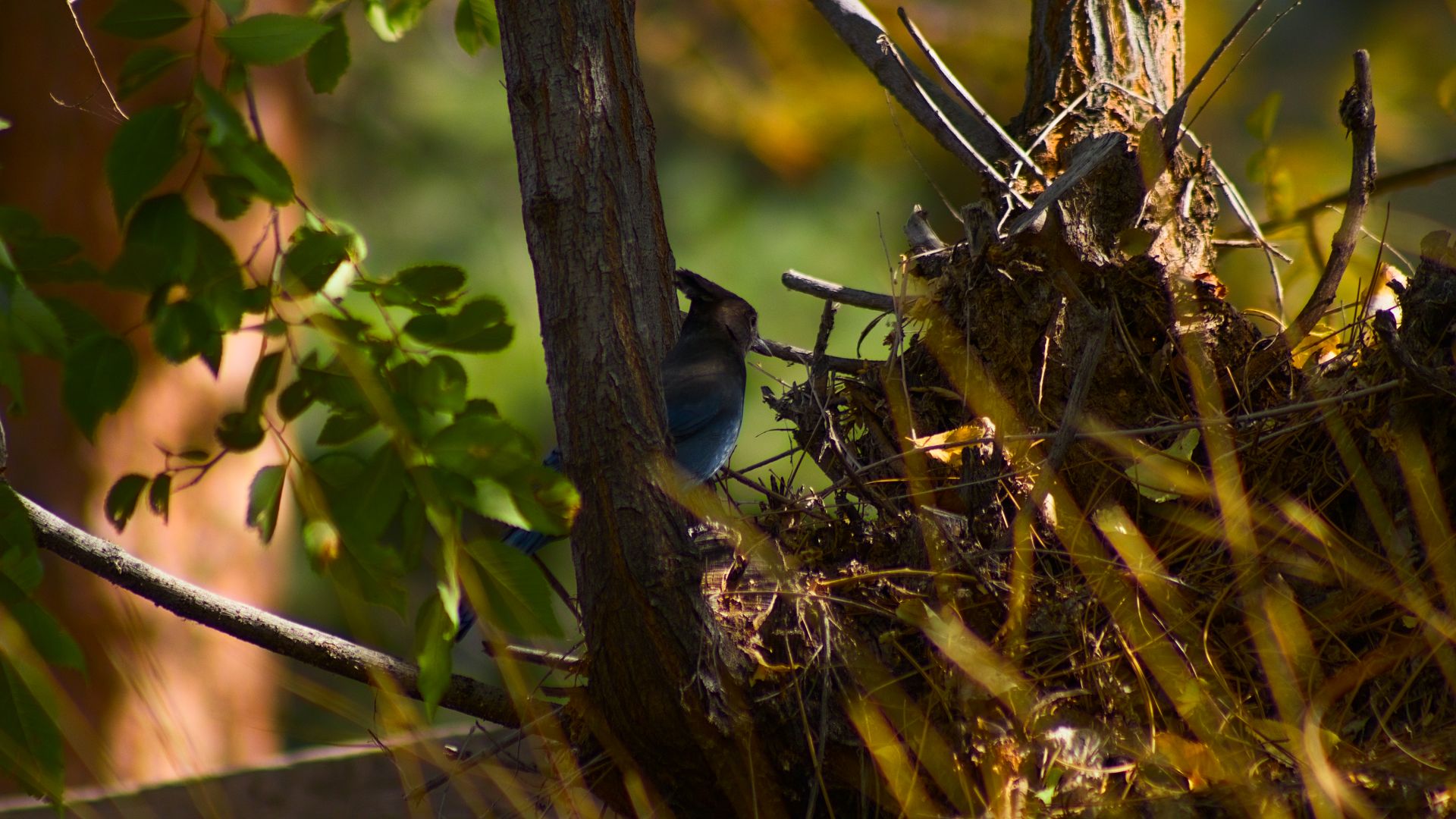
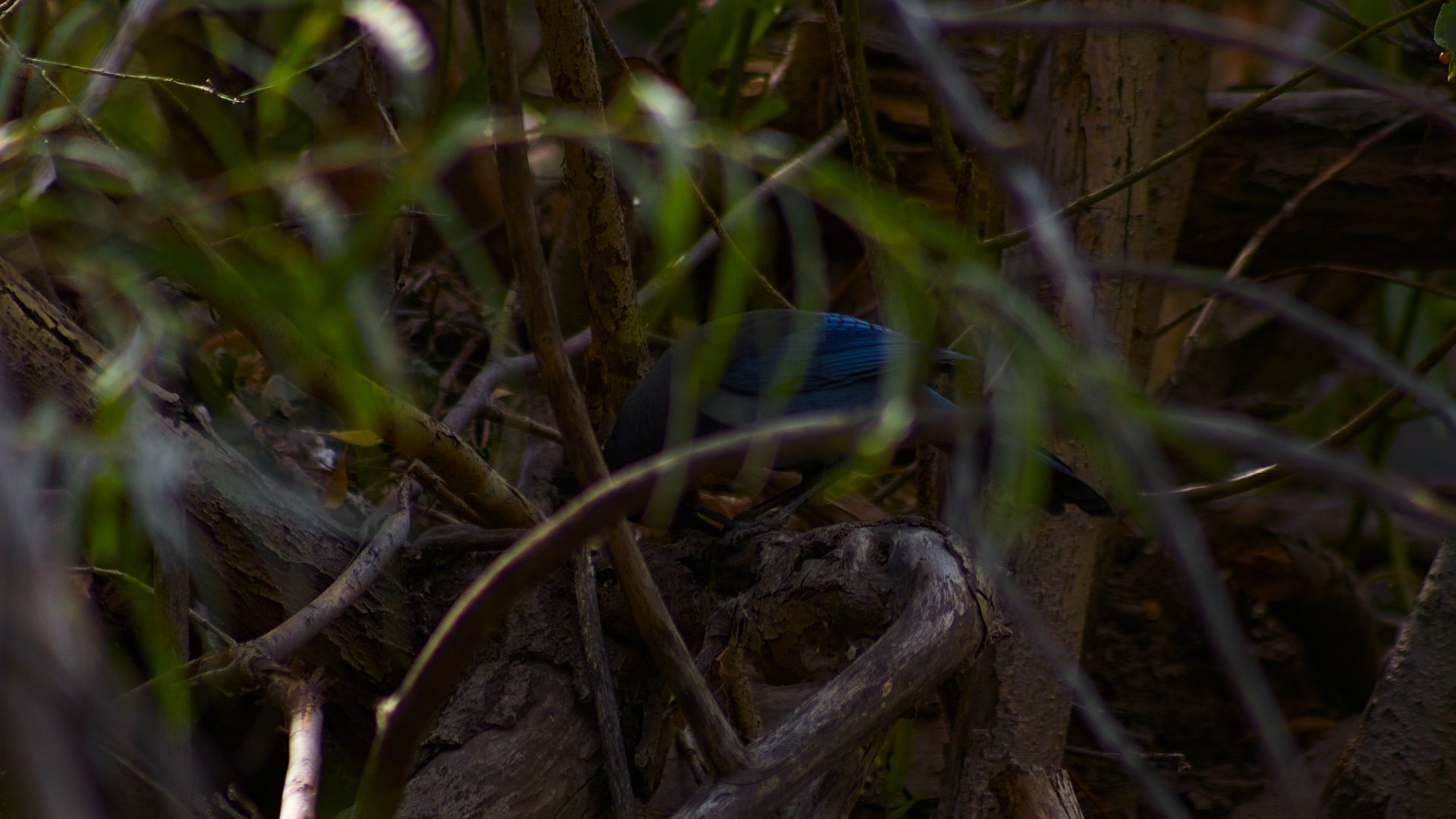
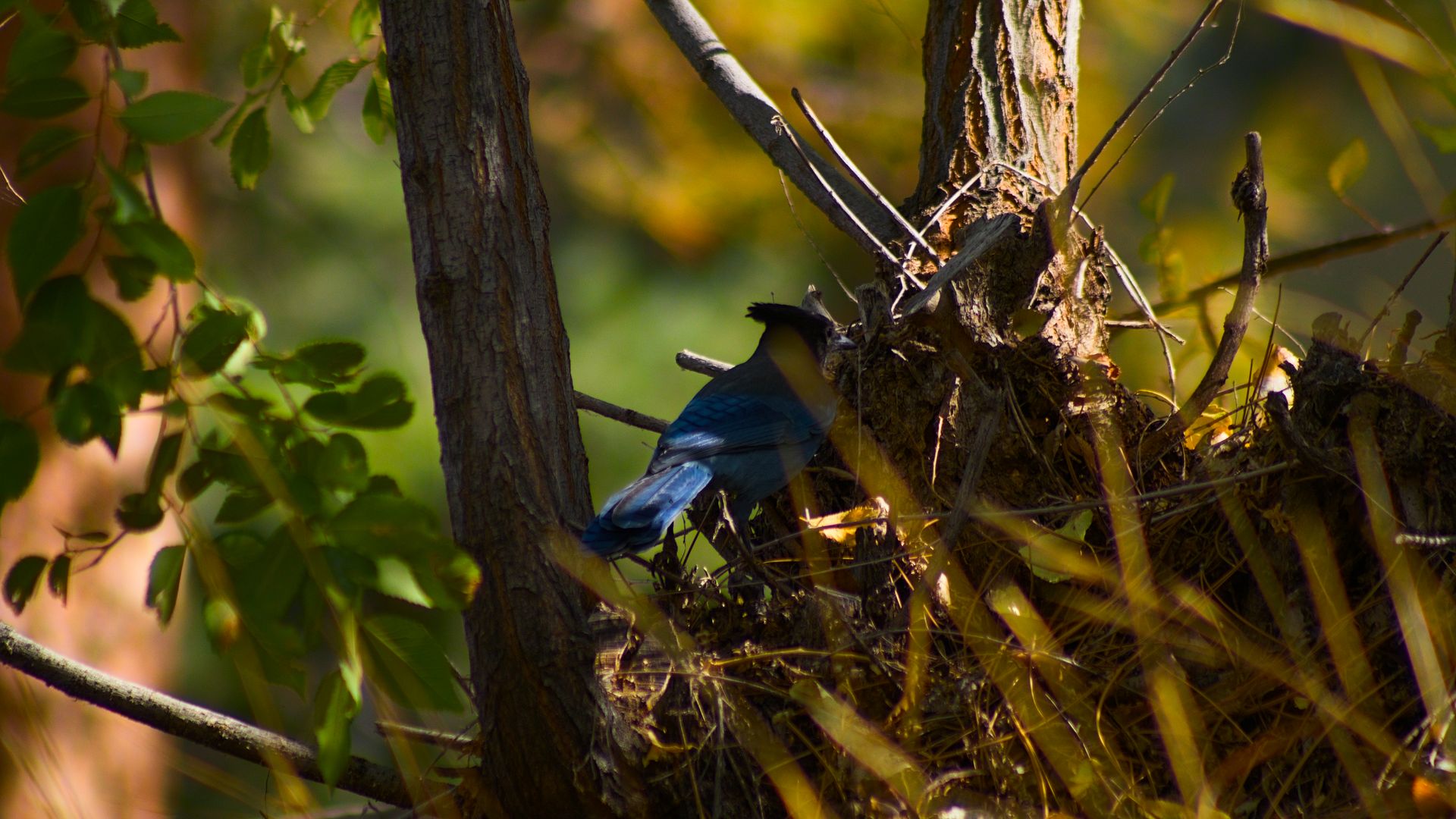
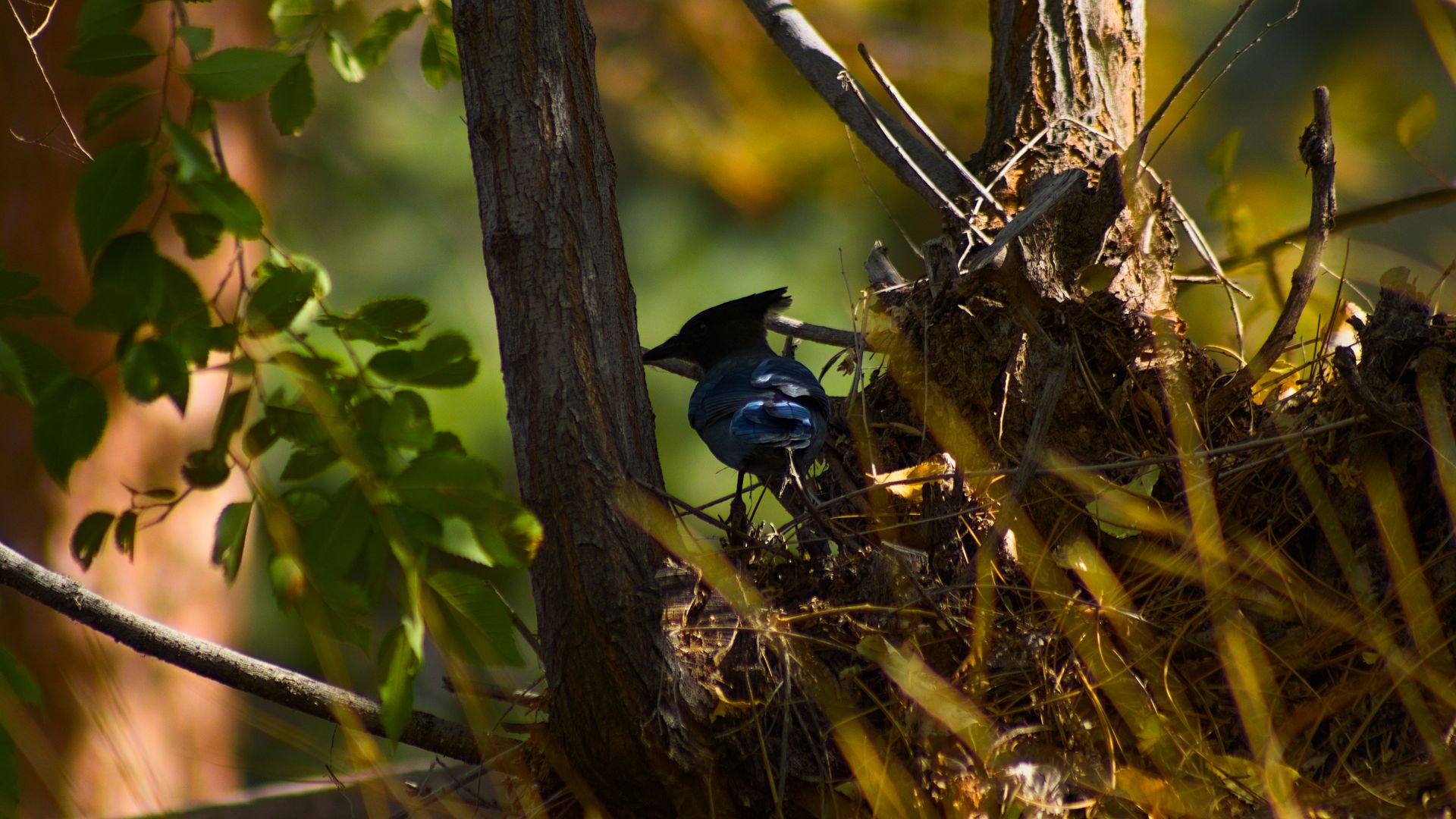
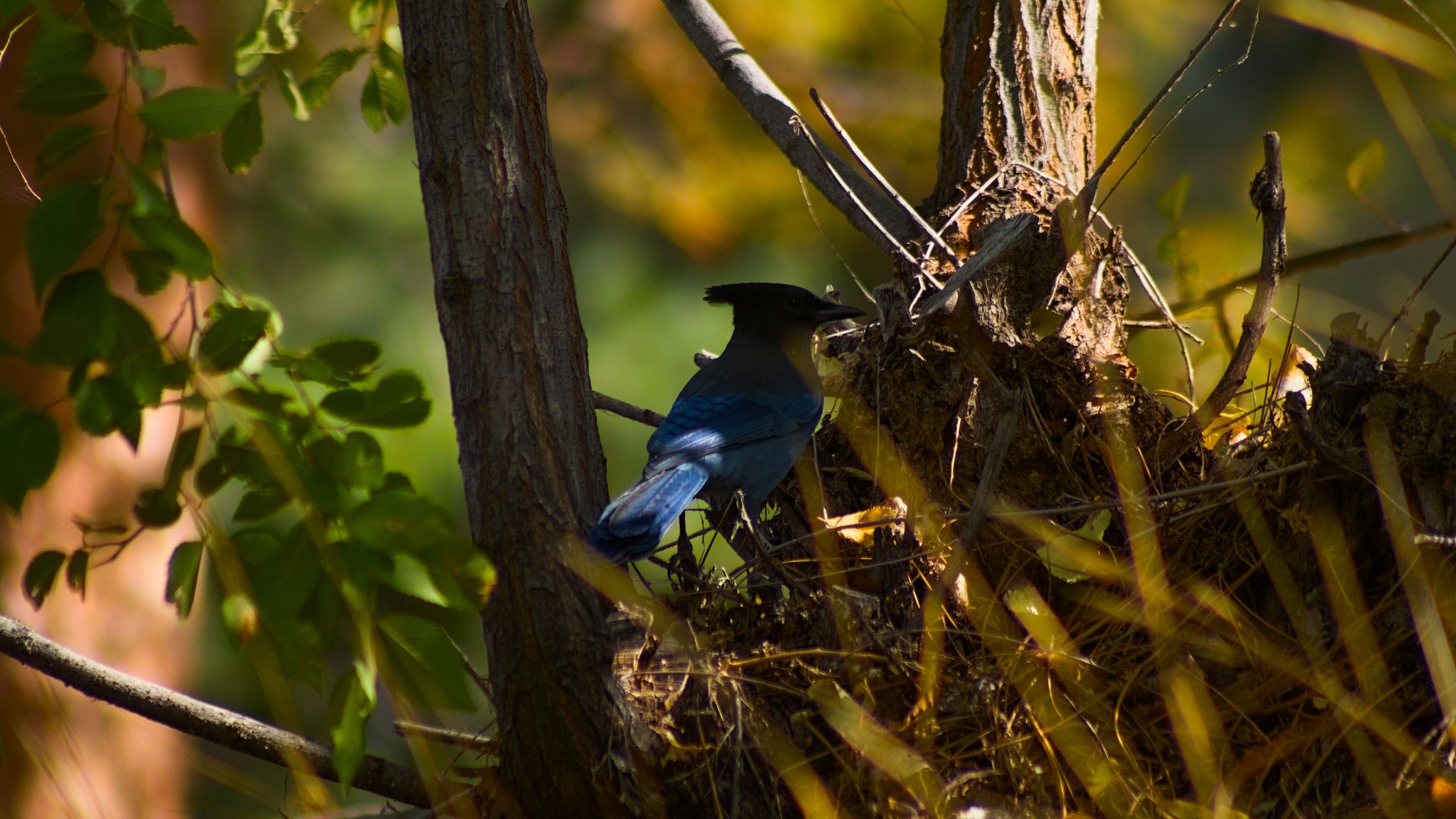
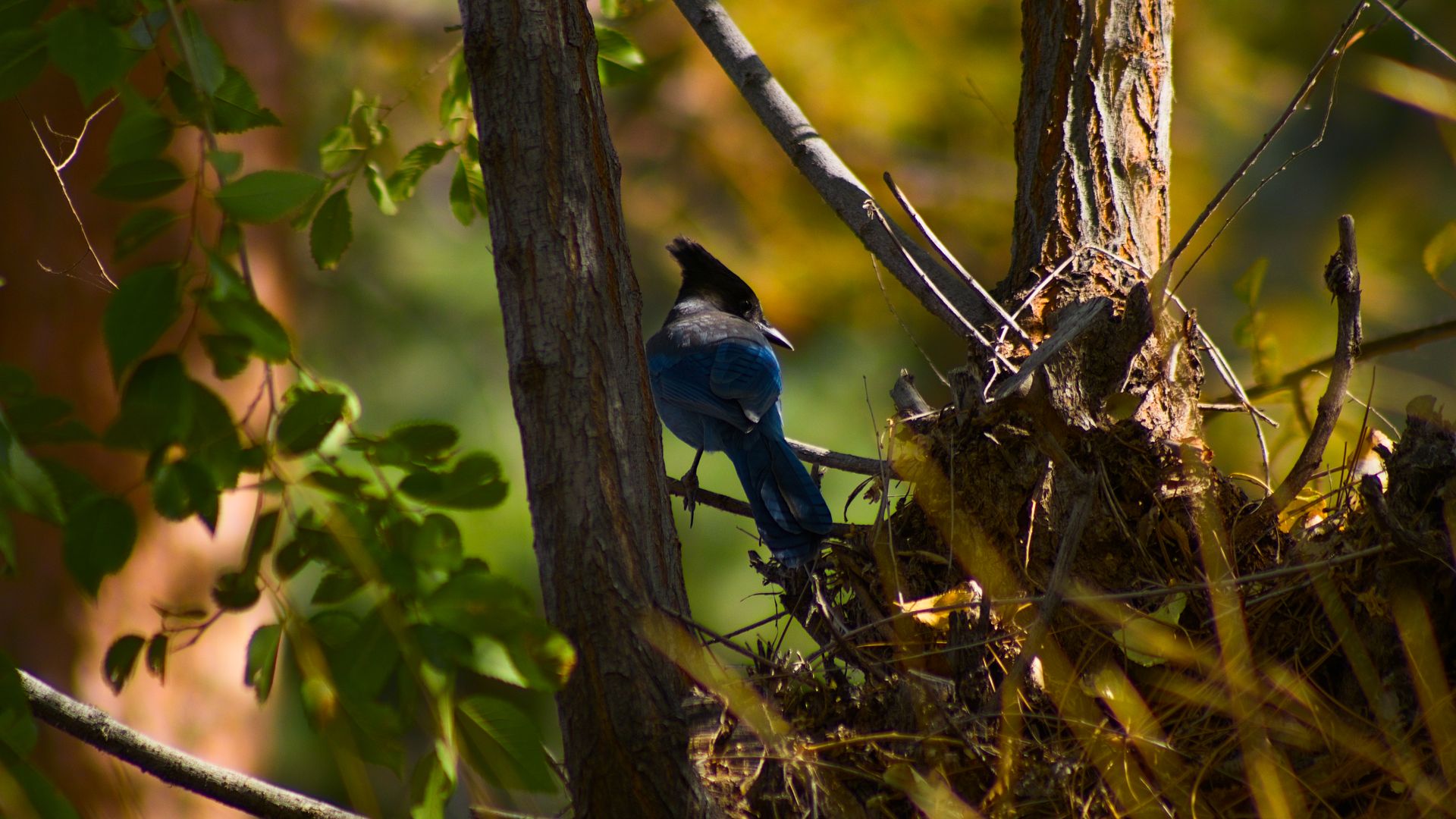
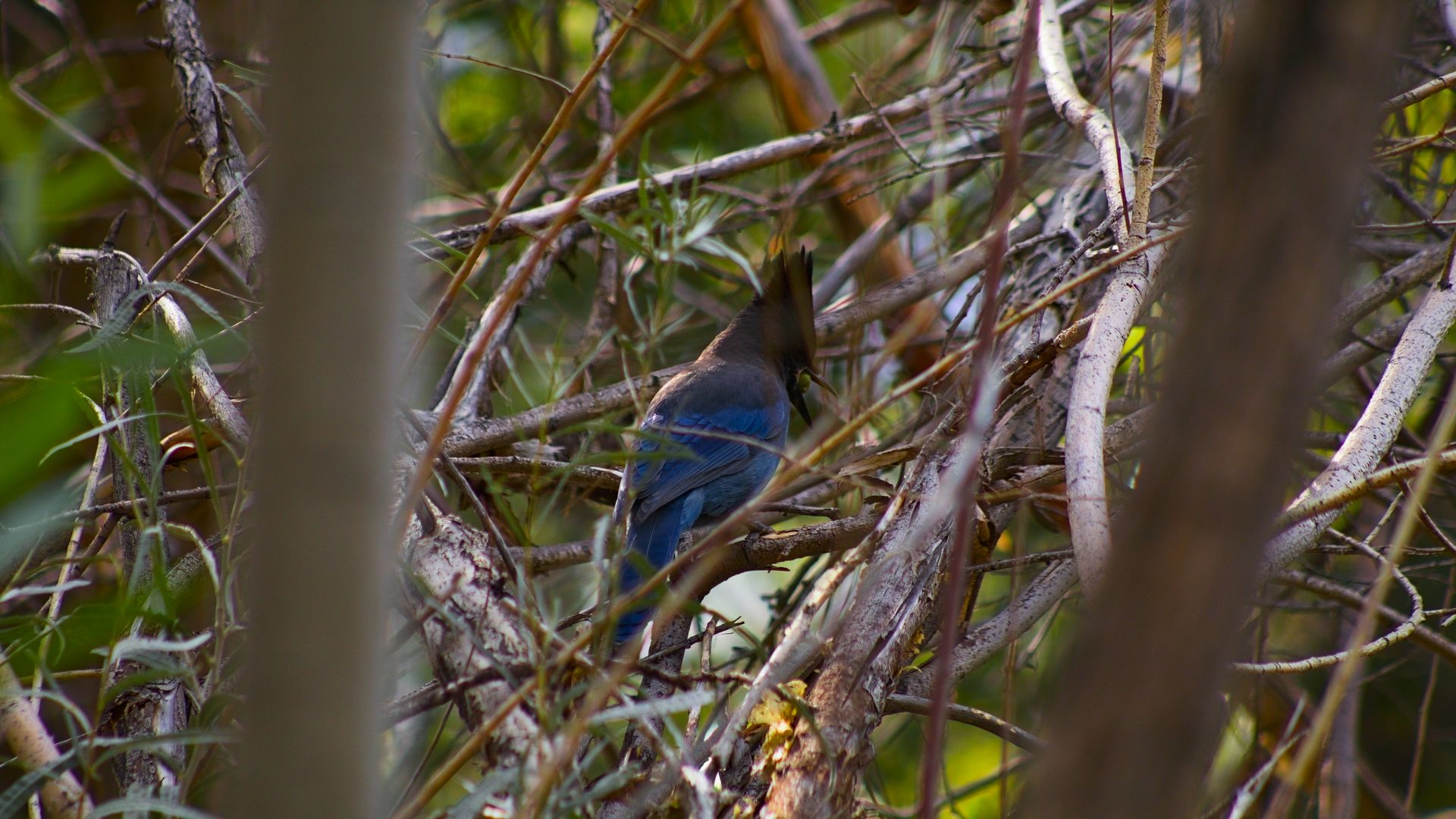
The Steller's jay is a bold & highly intelligent songbird native to western north America & the mountains of central America, they're closely related to the bluejay found in eastern north America. The species inhabits pine-oak and coniferous forests but can be found foraging in city parks. These photographs of the Steller's jay were taken around Reno, mostly spotted in local parks like Idlewild & Wingfield park. If there is a tree & critters, you might spot at least one Steller's jay, I've spotted some in shrubbery around my neighborhood.












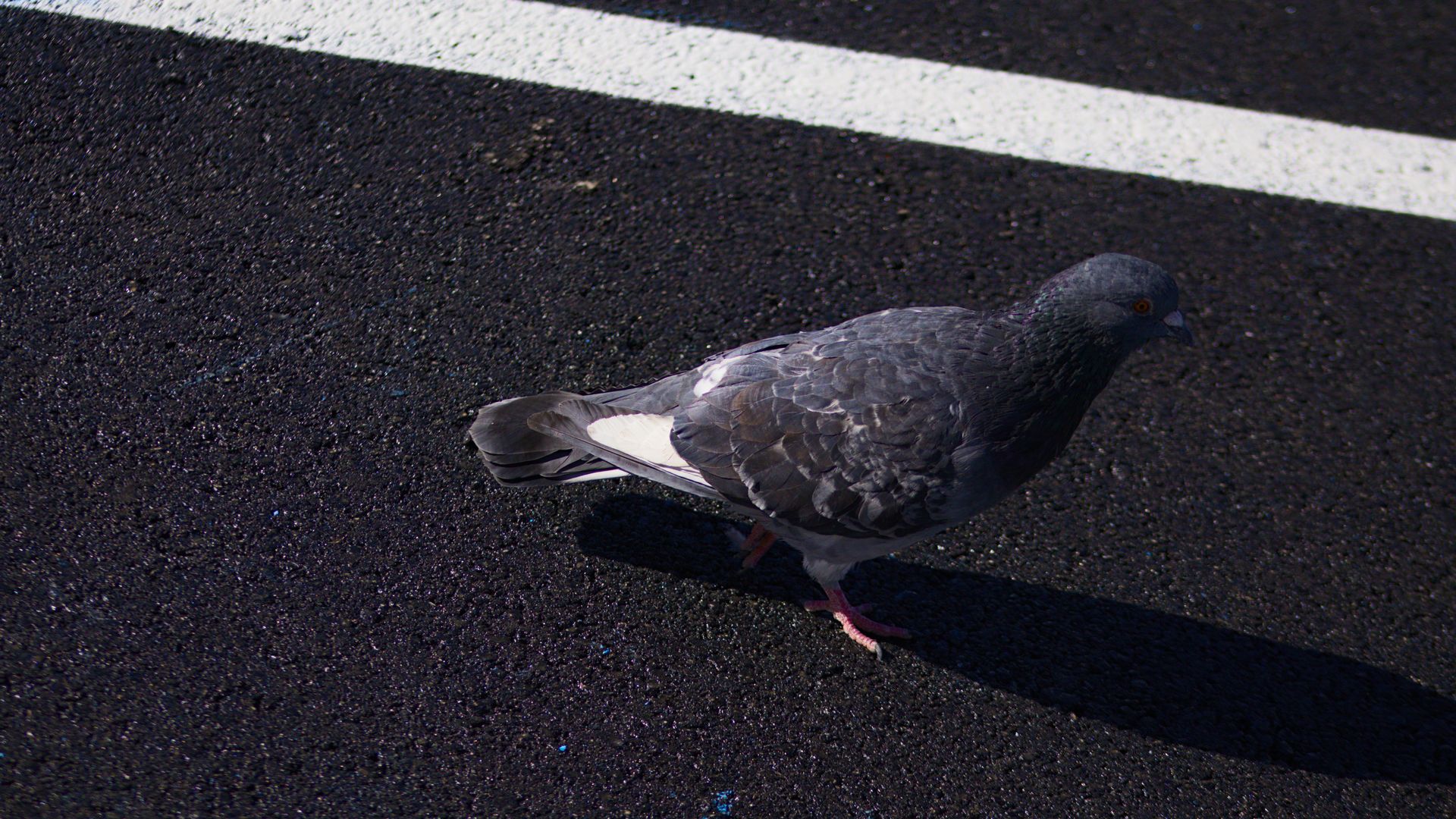
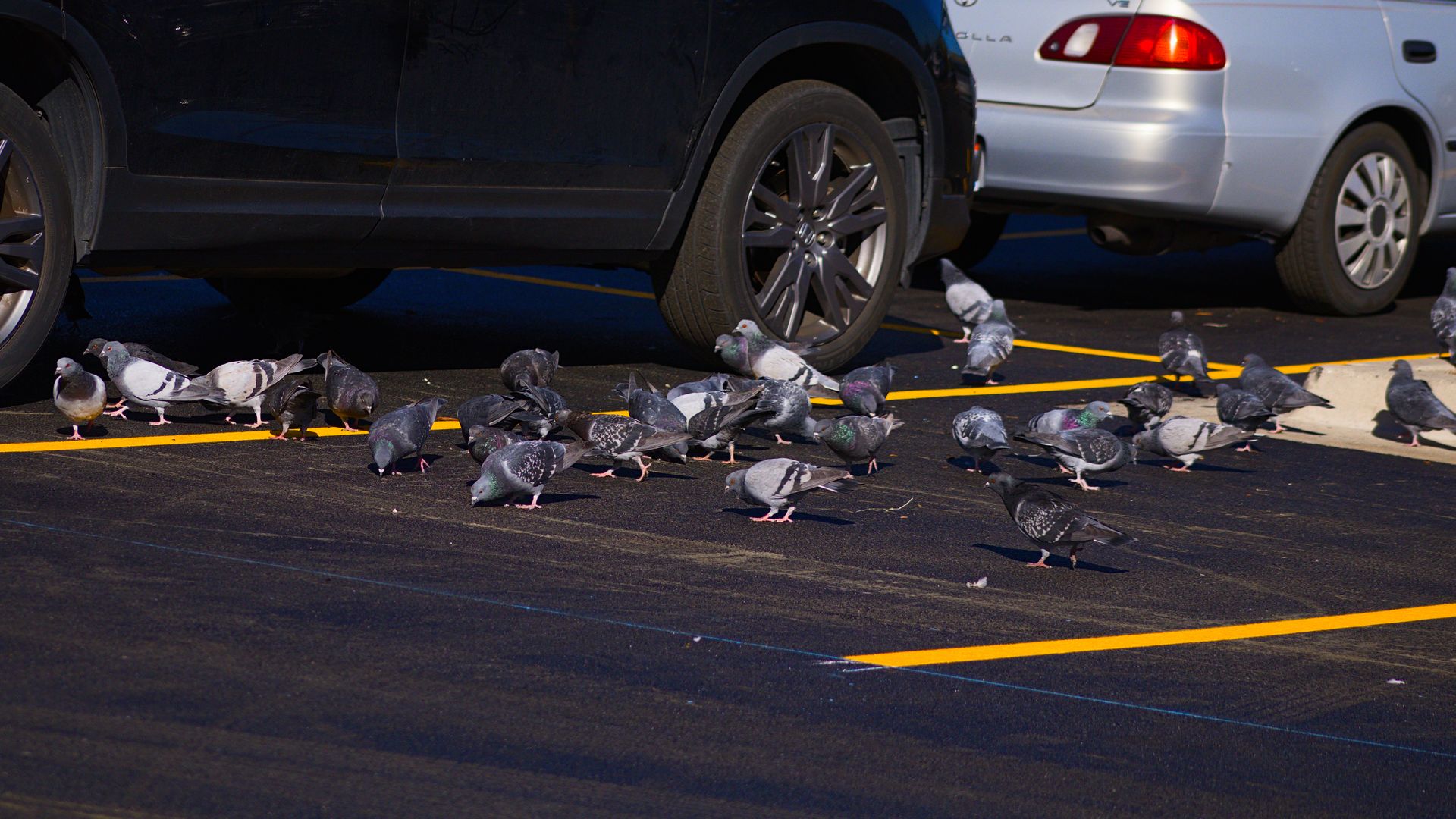
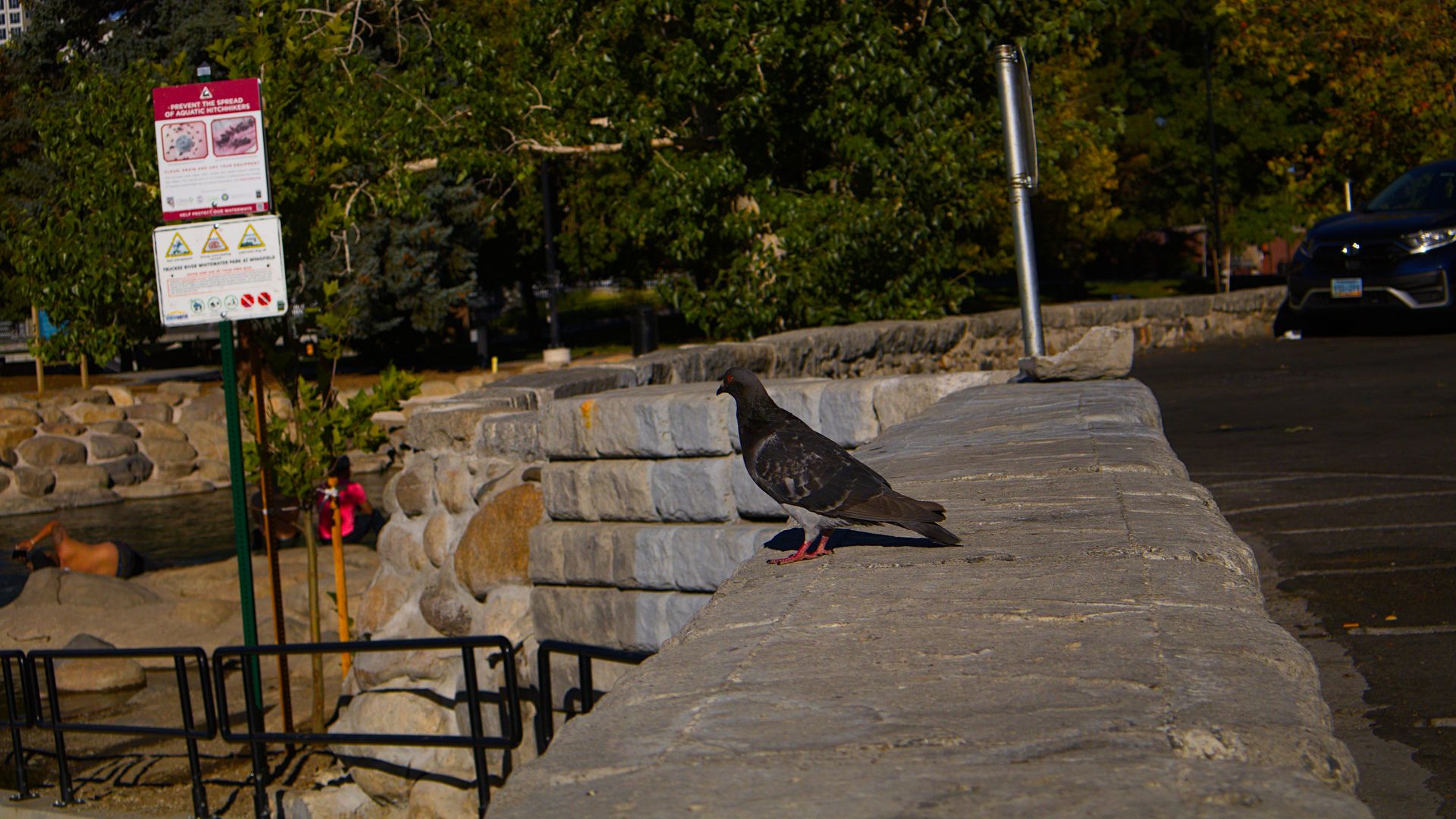
The rock pigeon is commonly known as the common pigeon is a stout, medium sized bird in the dove & pigeon family. They are about 11 to 14 inches long with a wingspan of roughly 26 inches. They are believed to be one of the first birds domesticated by humans around 4500 B.C. for food & later for their remarkable homing abilities. Rock pigeons are famous for their strong sense of direction, they were trained for centuries to carry vital messages during wars & peacetime. They eat mostly seeds, grains, and leftover human food found on the ground.









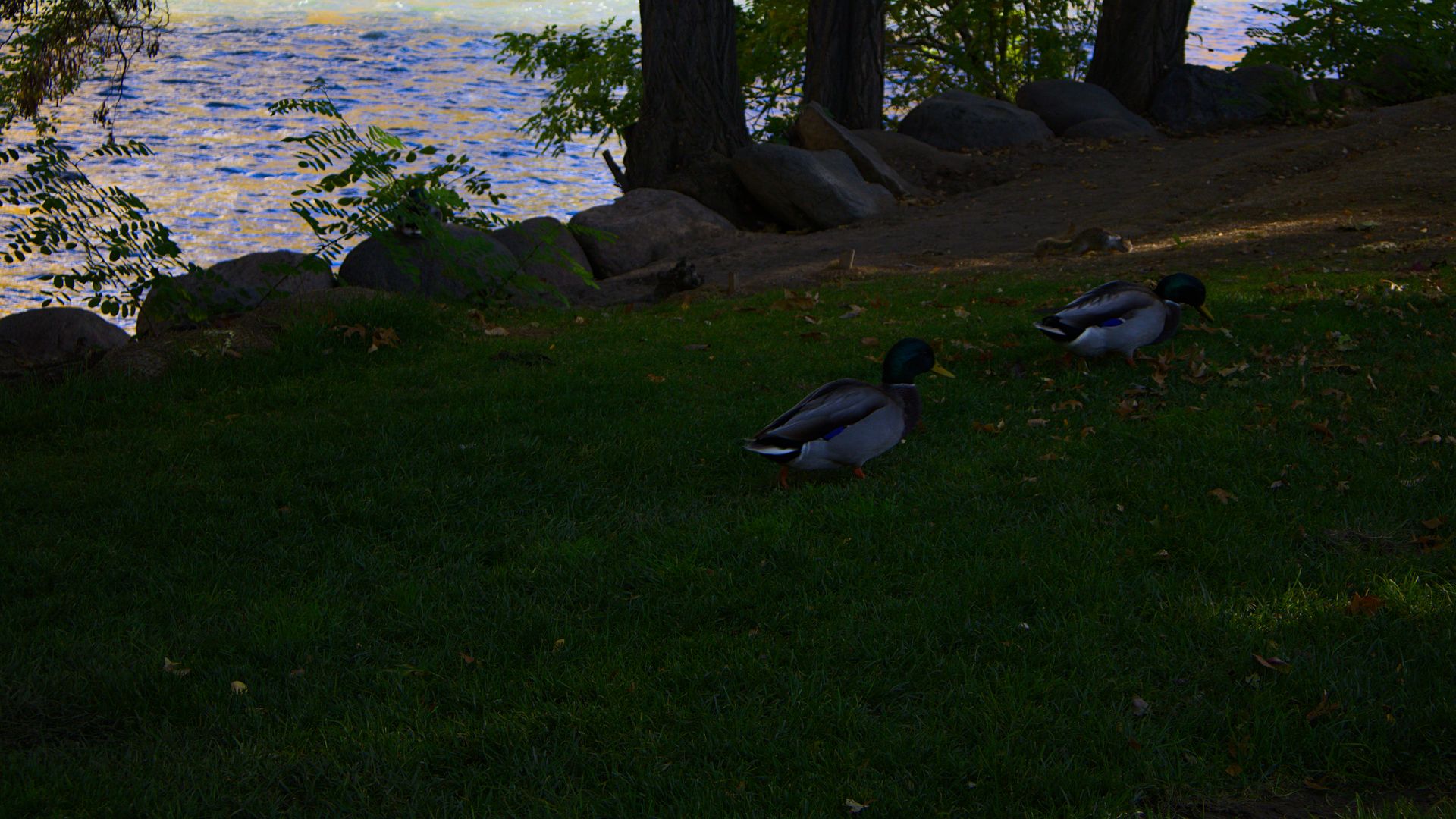
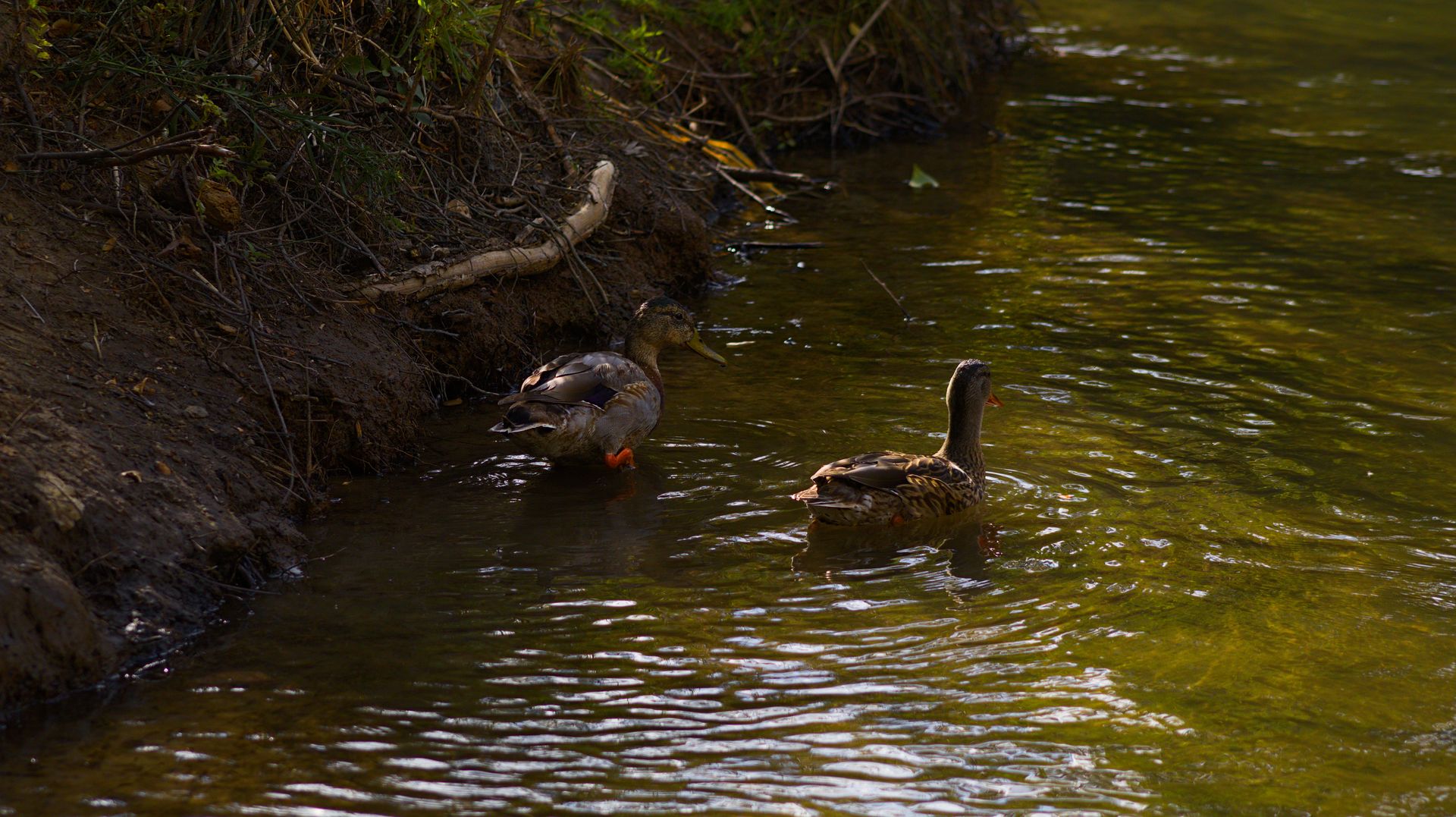
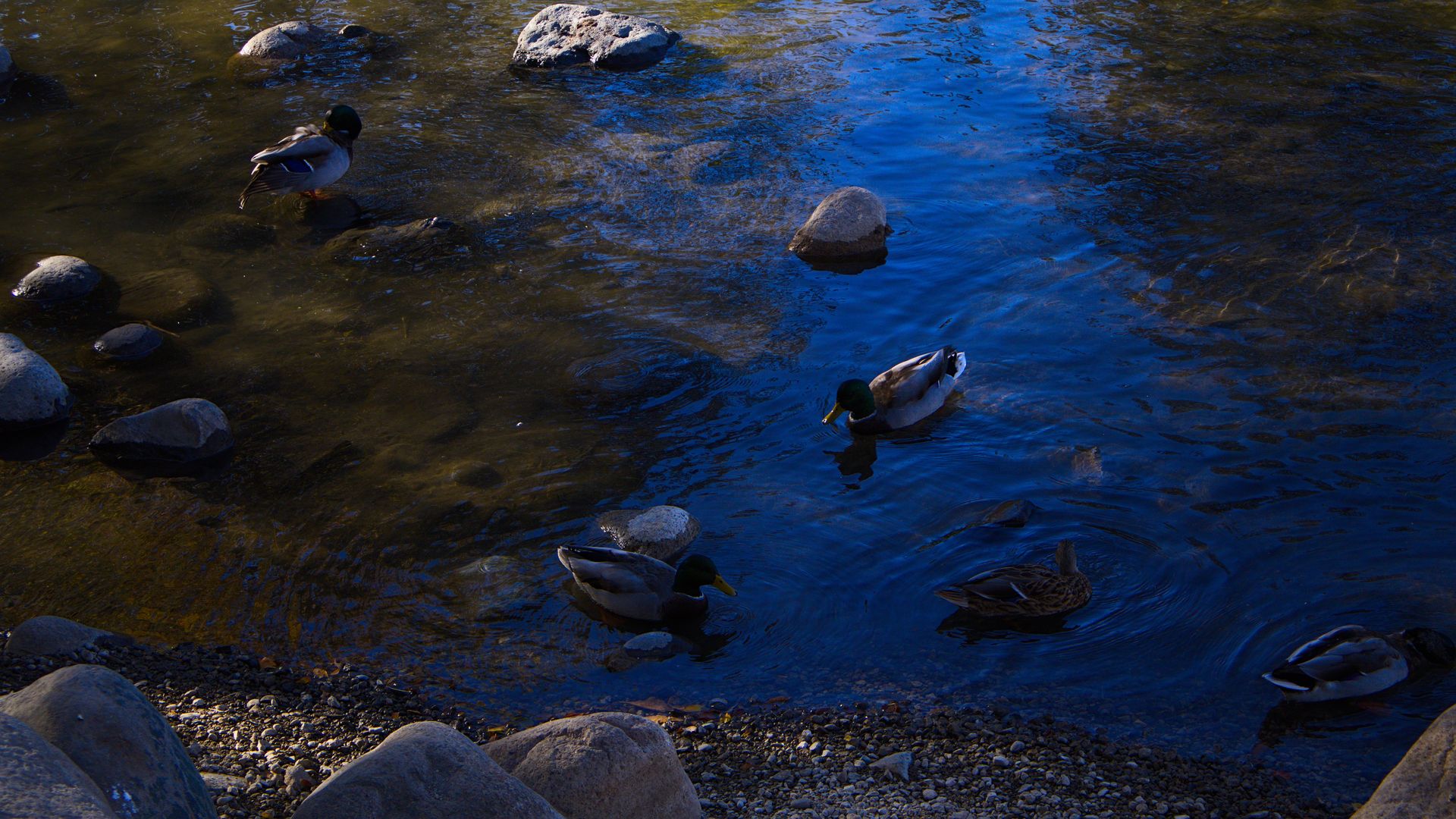
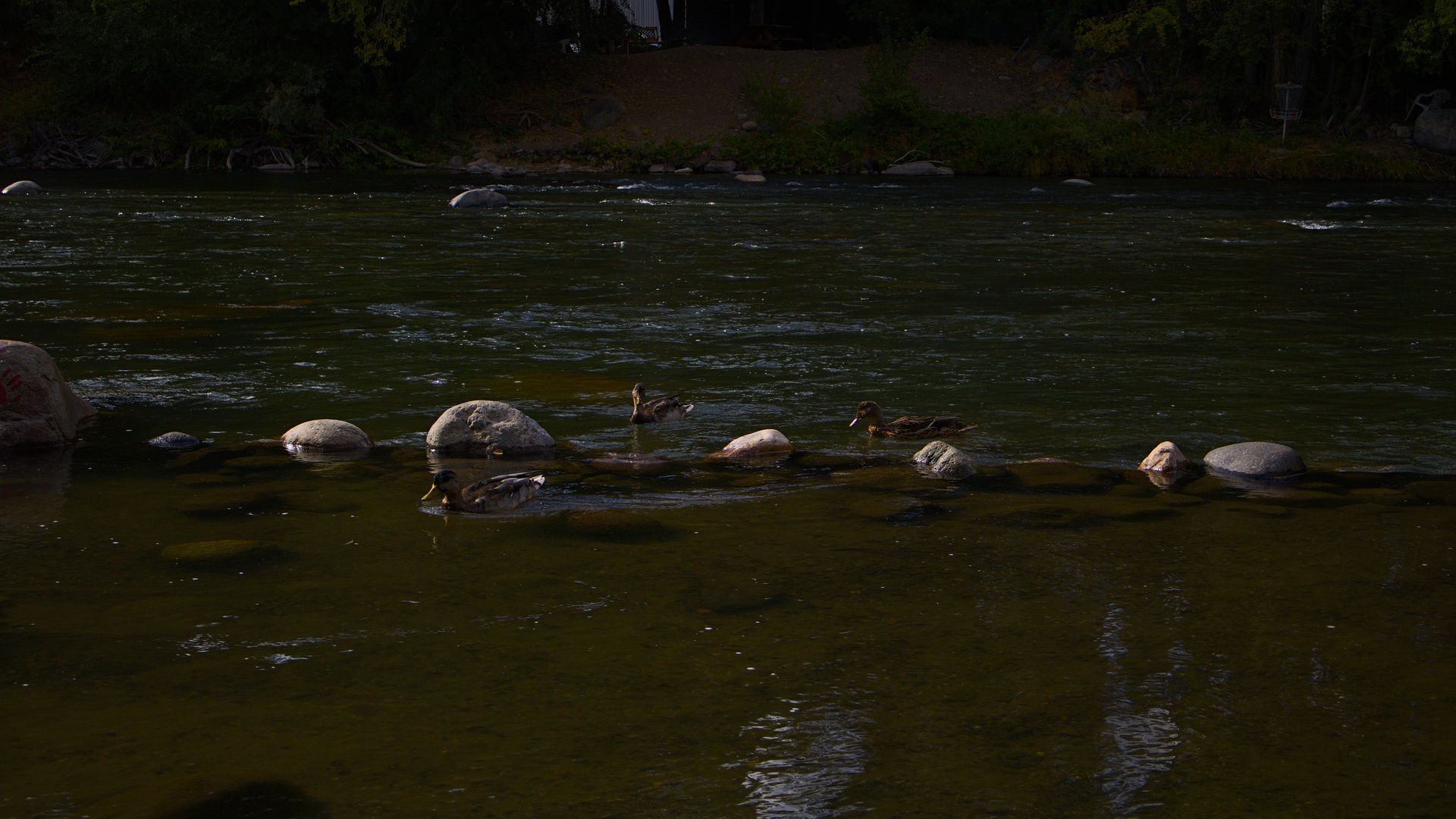
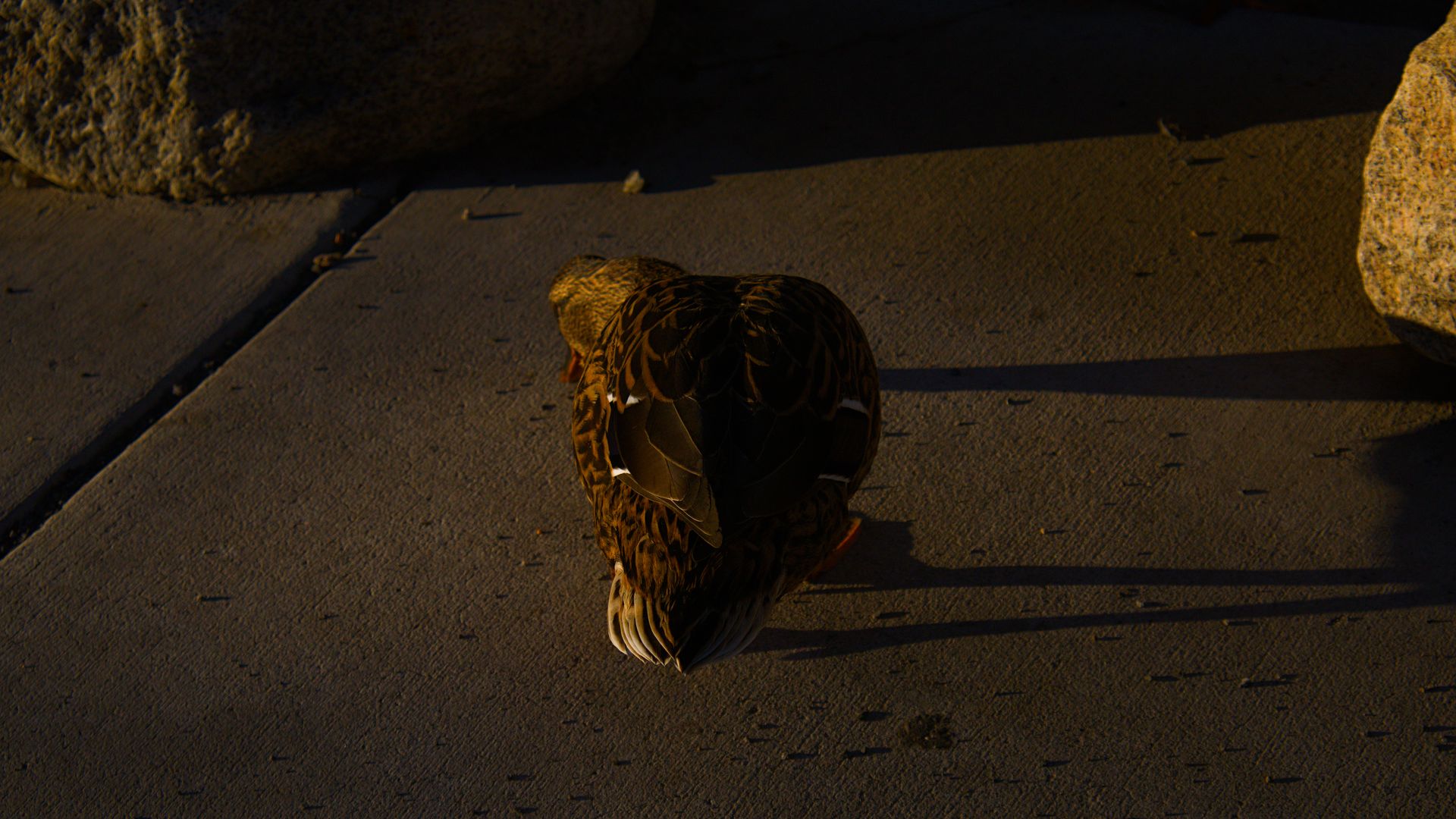
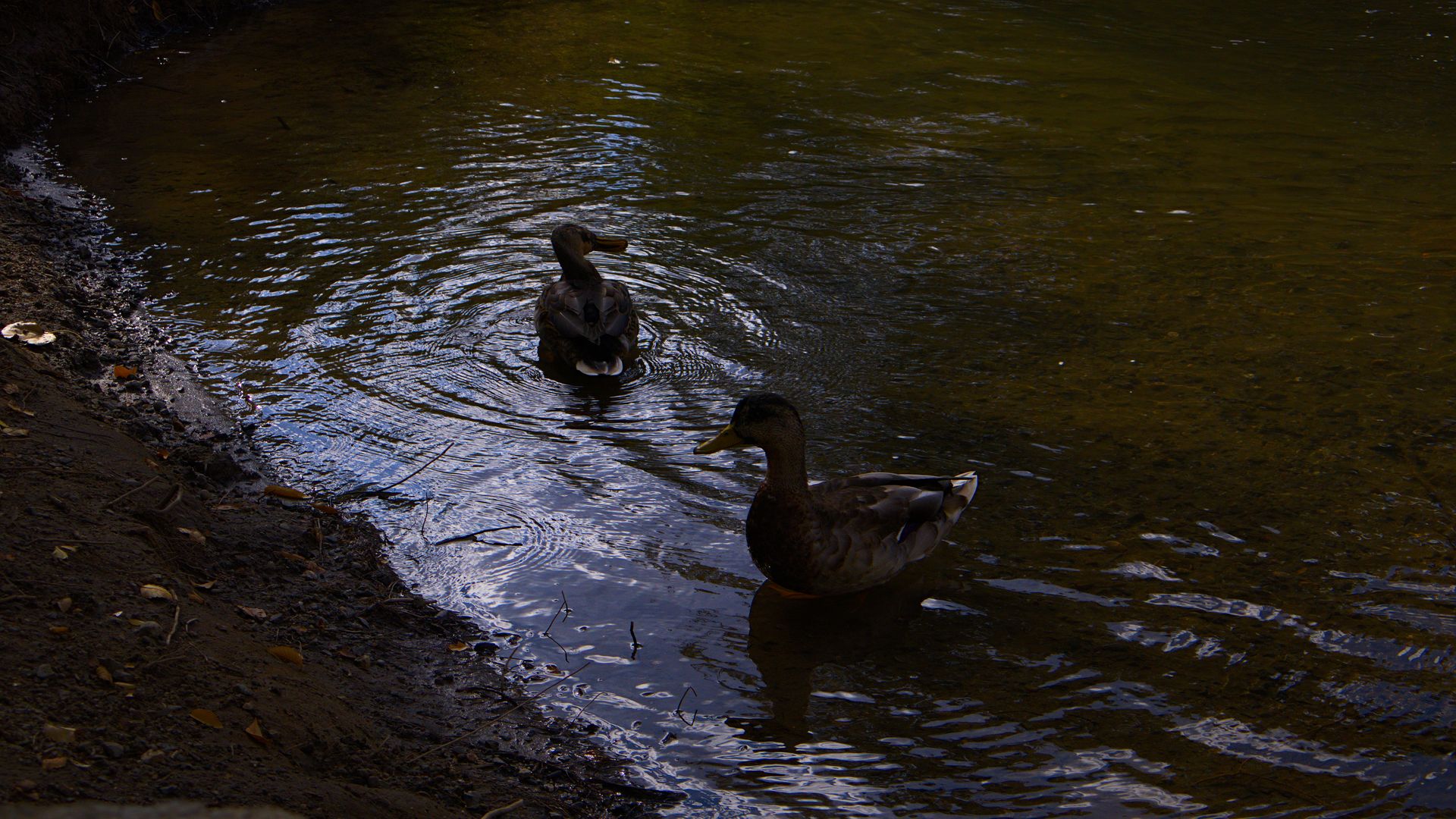
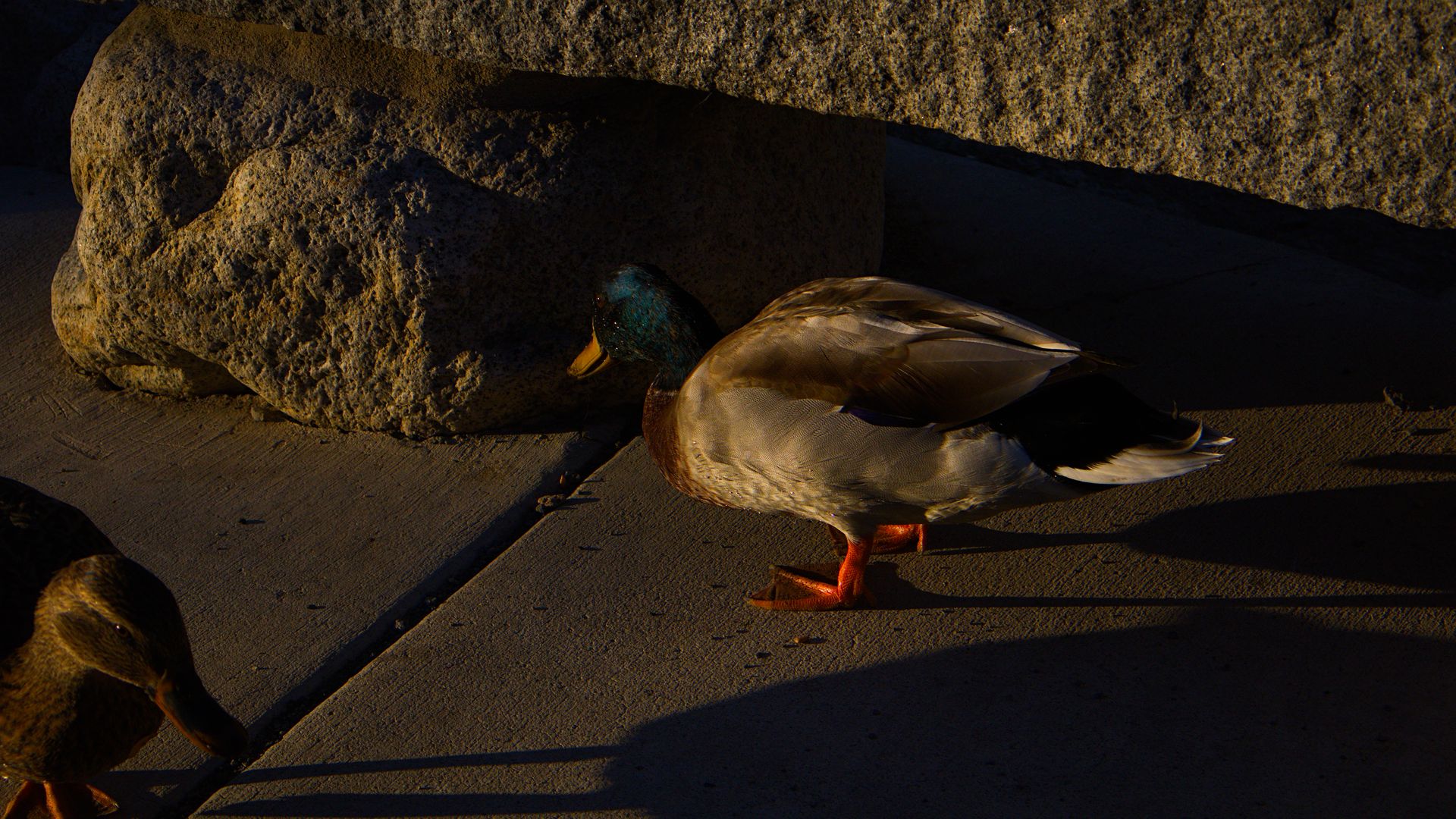
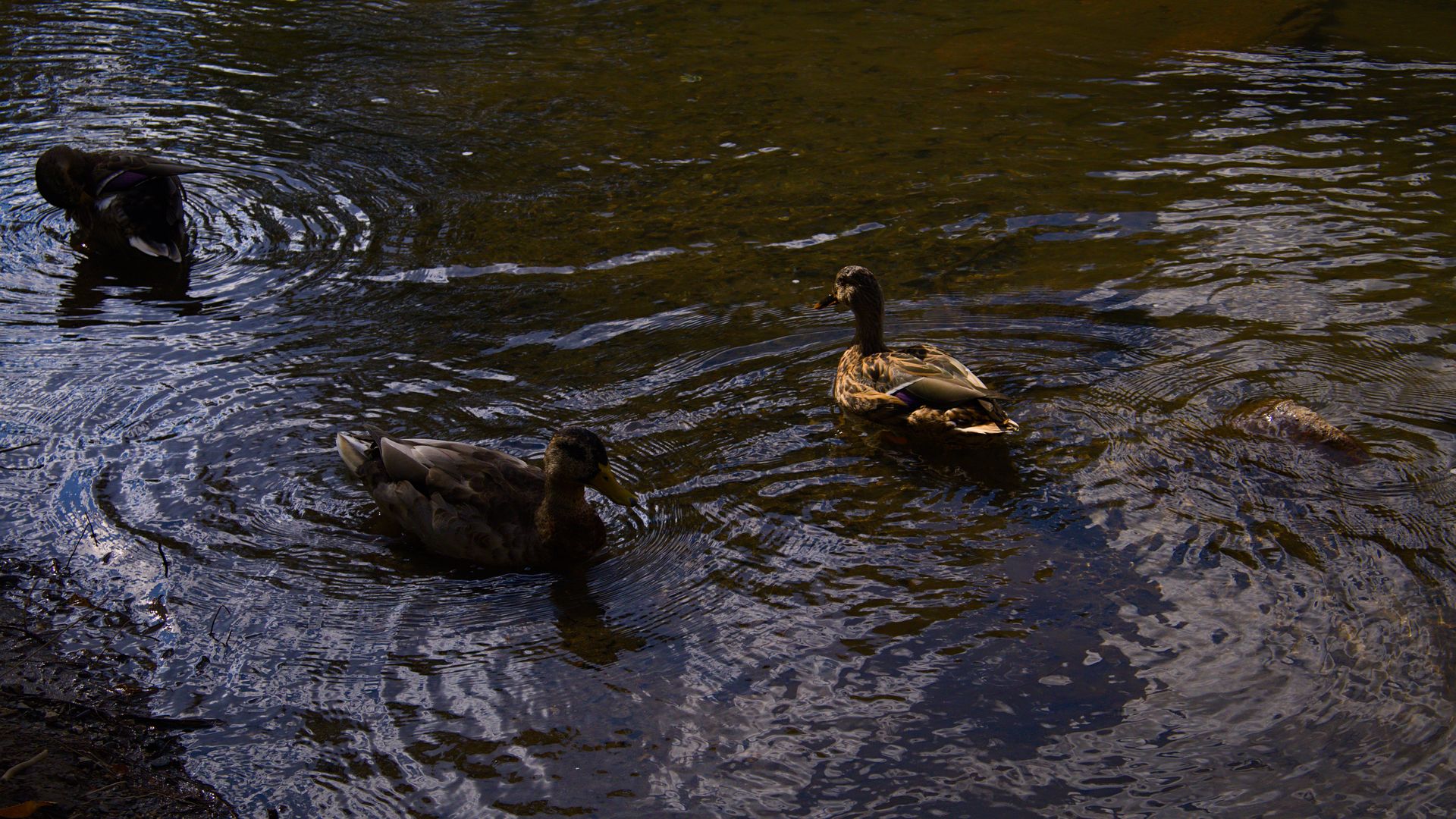
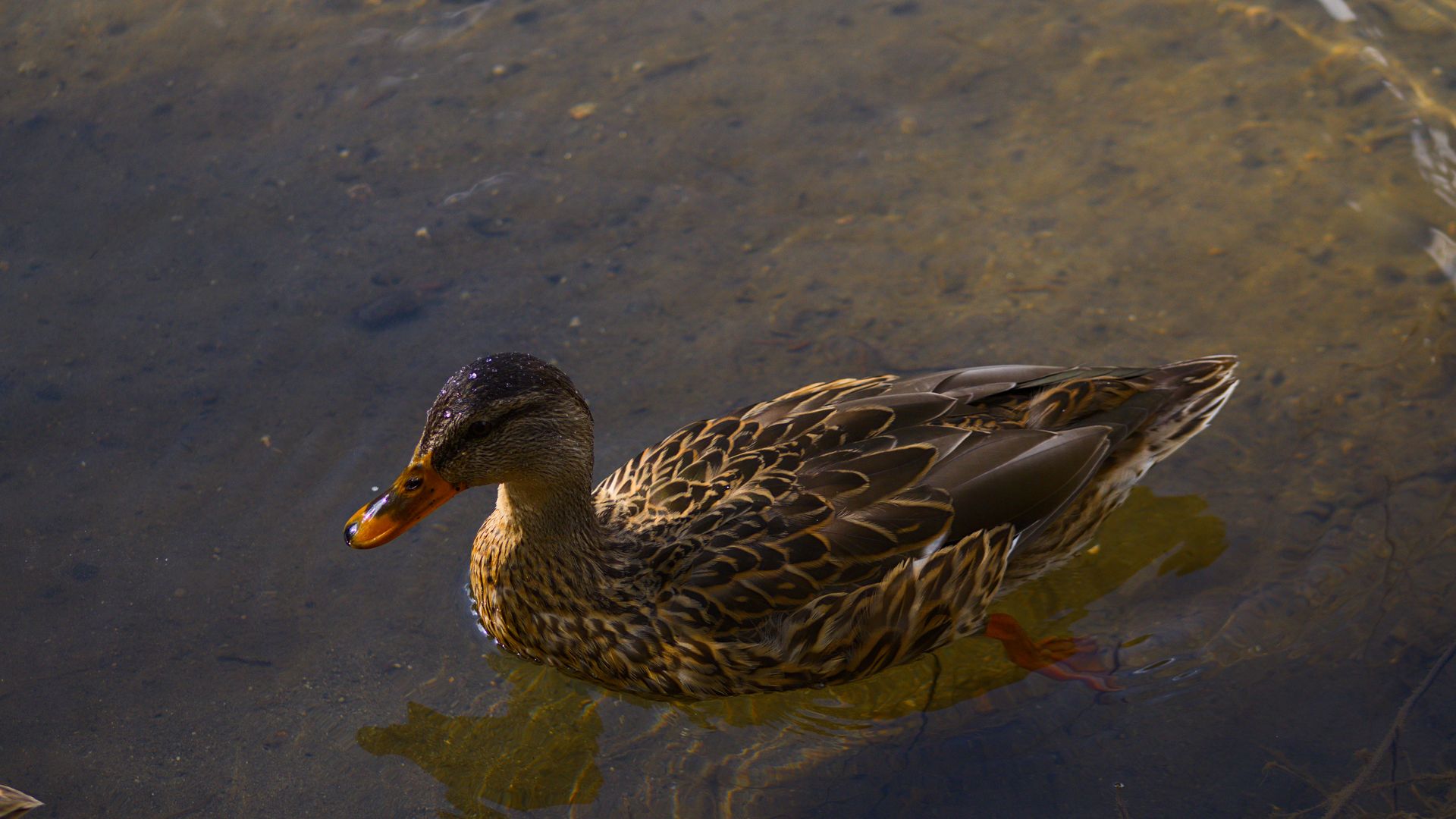
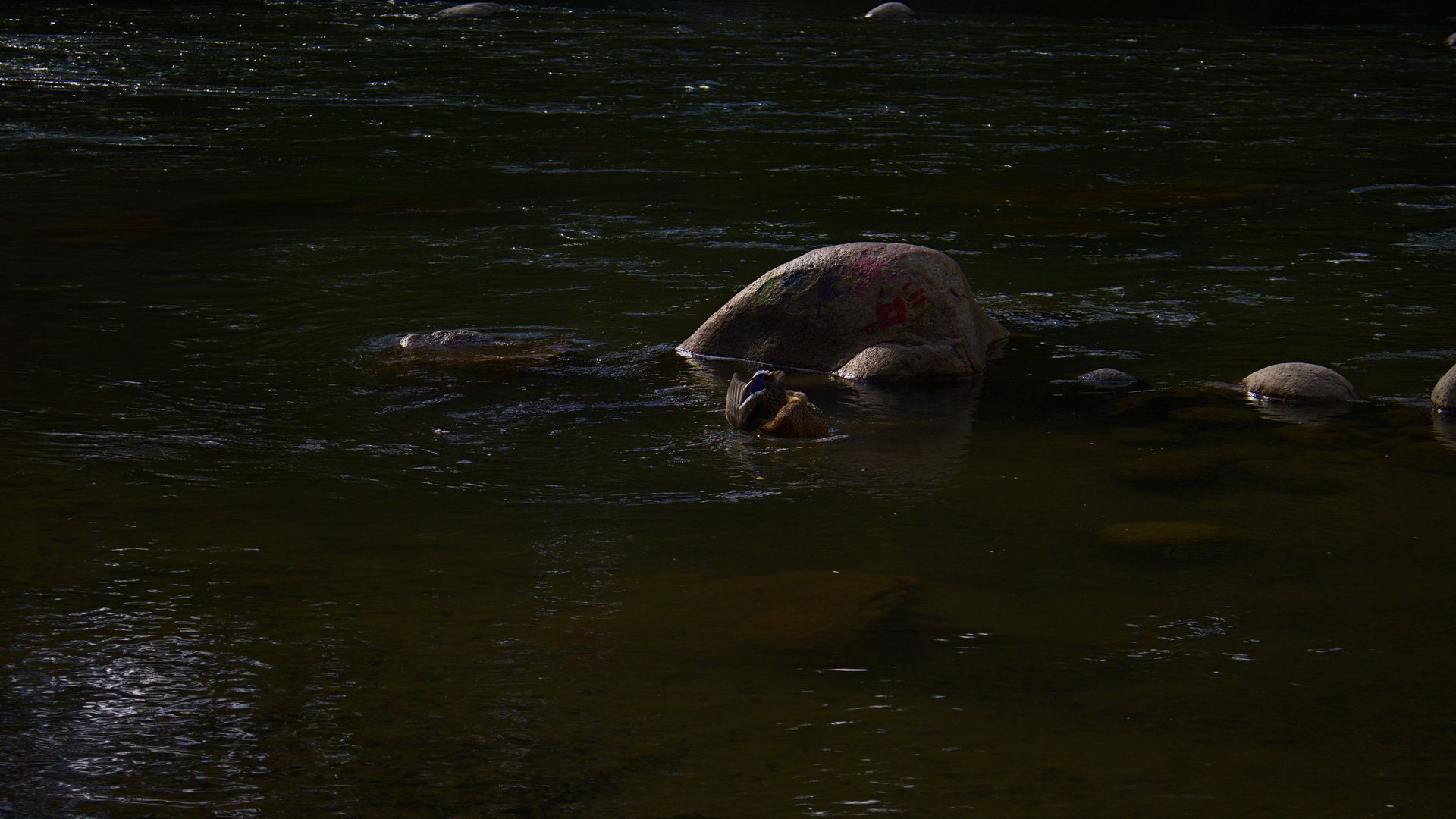
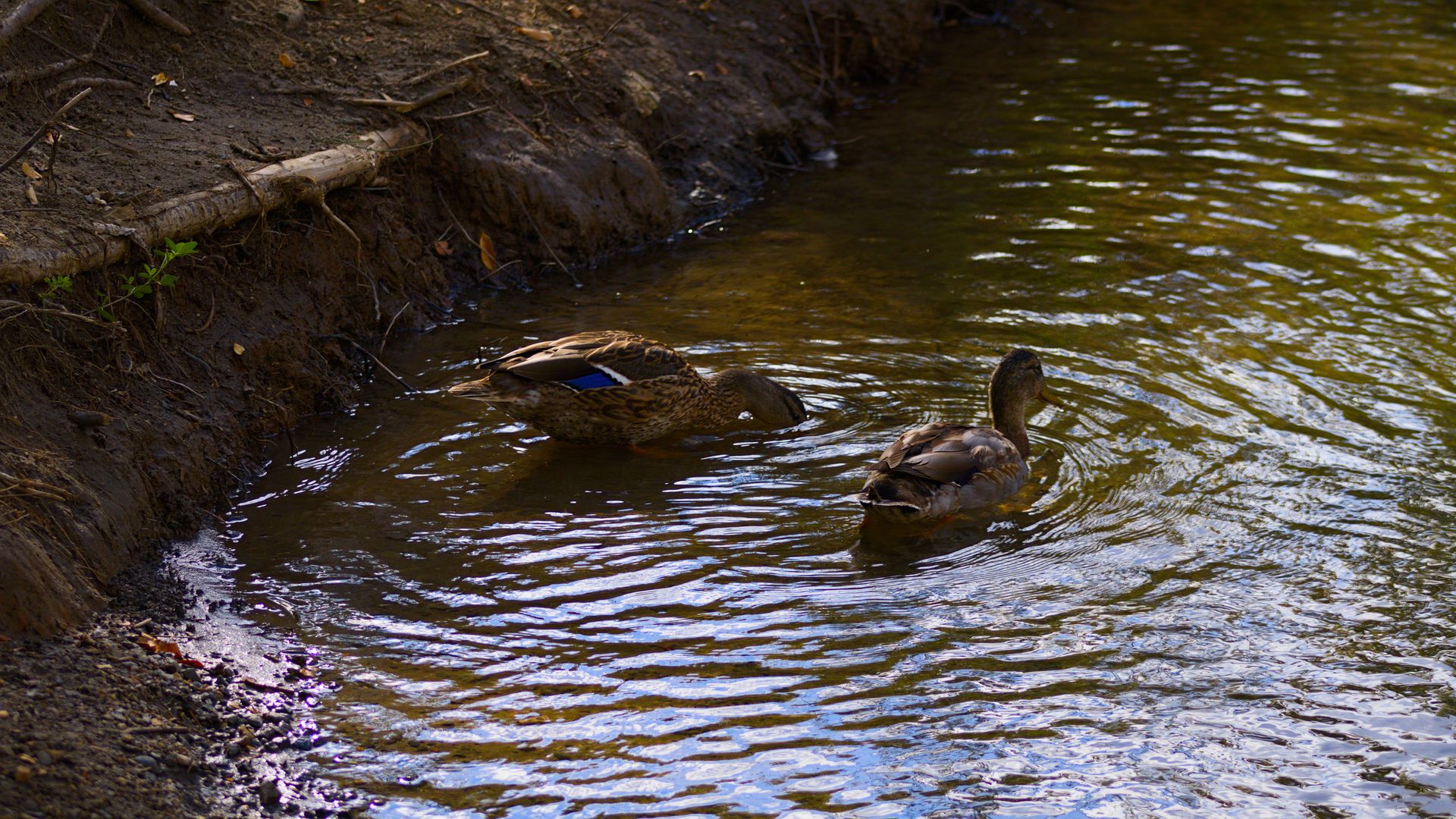
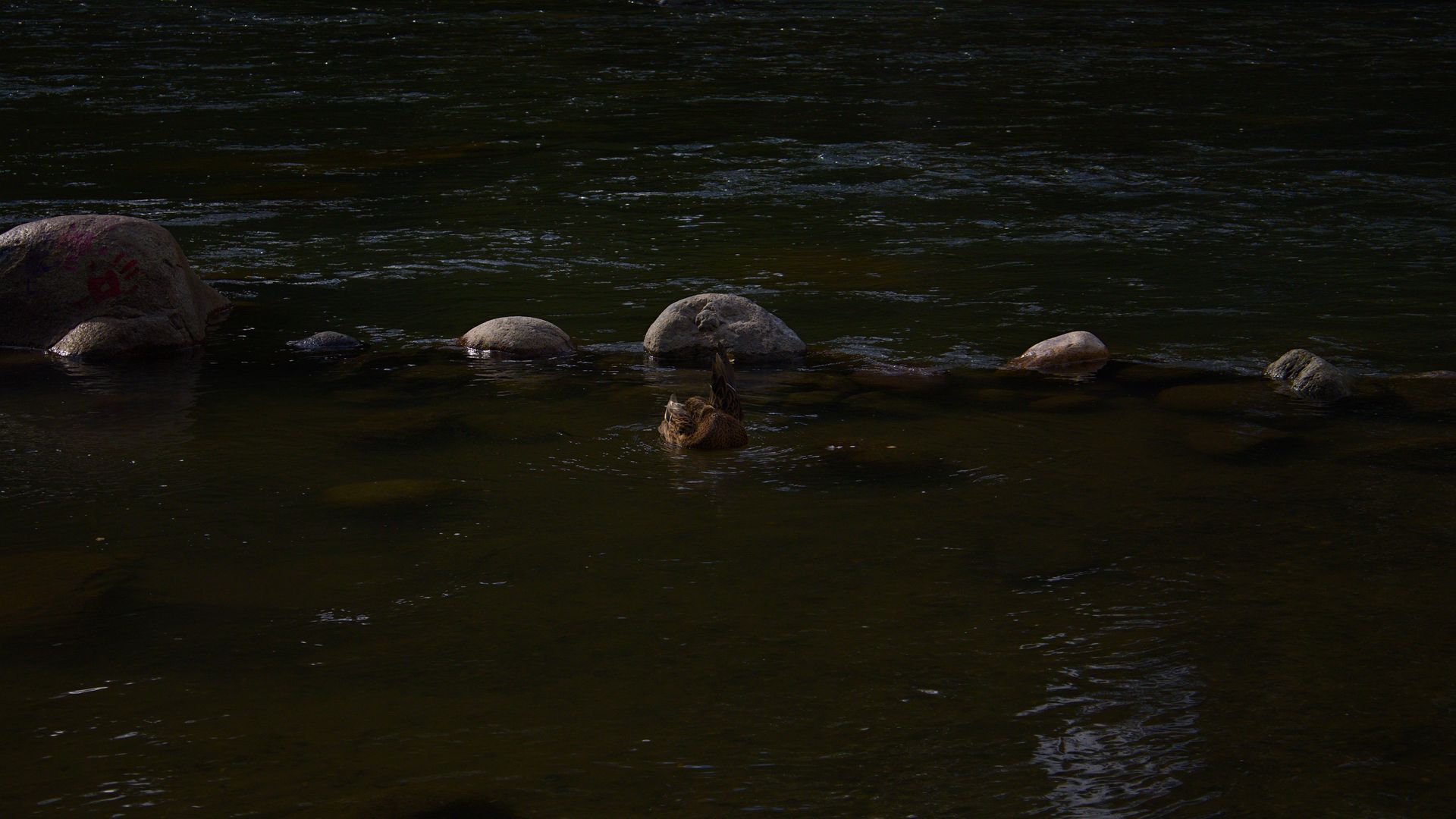
The mallard duck is a medium-to-large dabbling duck widely recognized across the Northern Hemisphere. They're found in shallow wetlands like ponds, lakes, marshes, rivers & city parks. They feed on aquatic vegetation, seeds, grains, insects & small aquatic invertebrates by dabbling. Male mallards typically have a glossy, iridescent green head, a white neck ring, a chestnut-brown chest & a yellow bill.












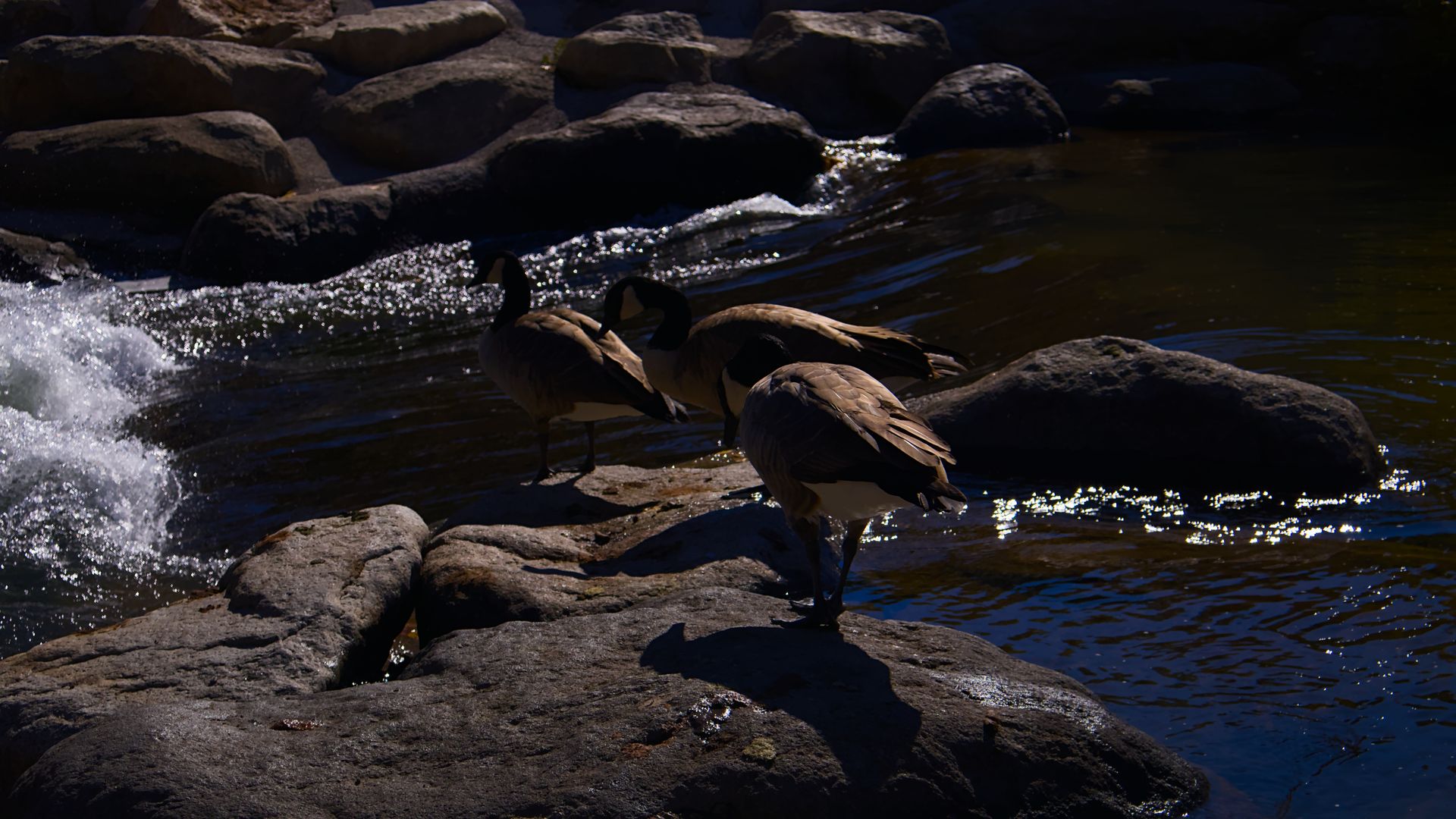
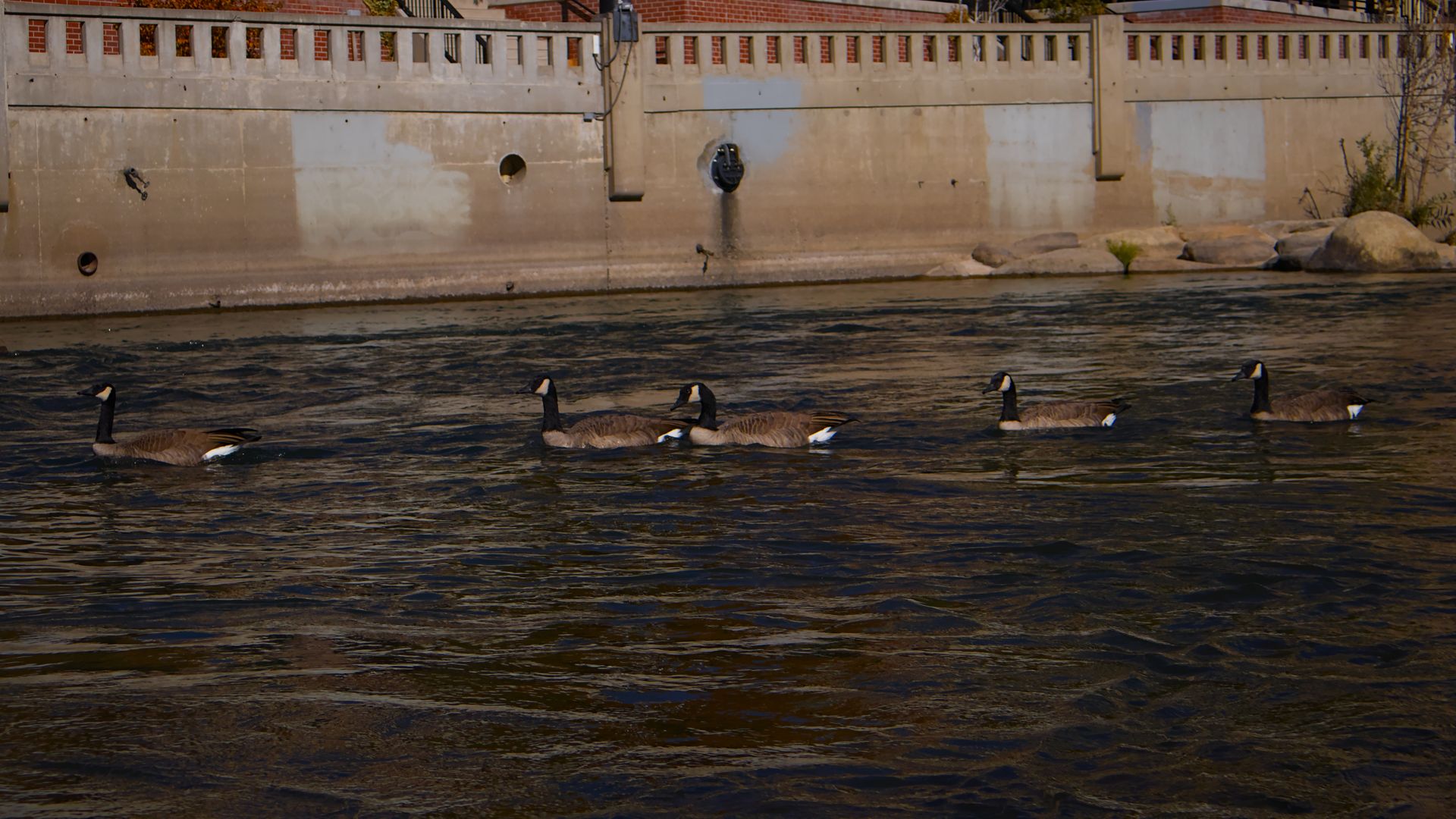
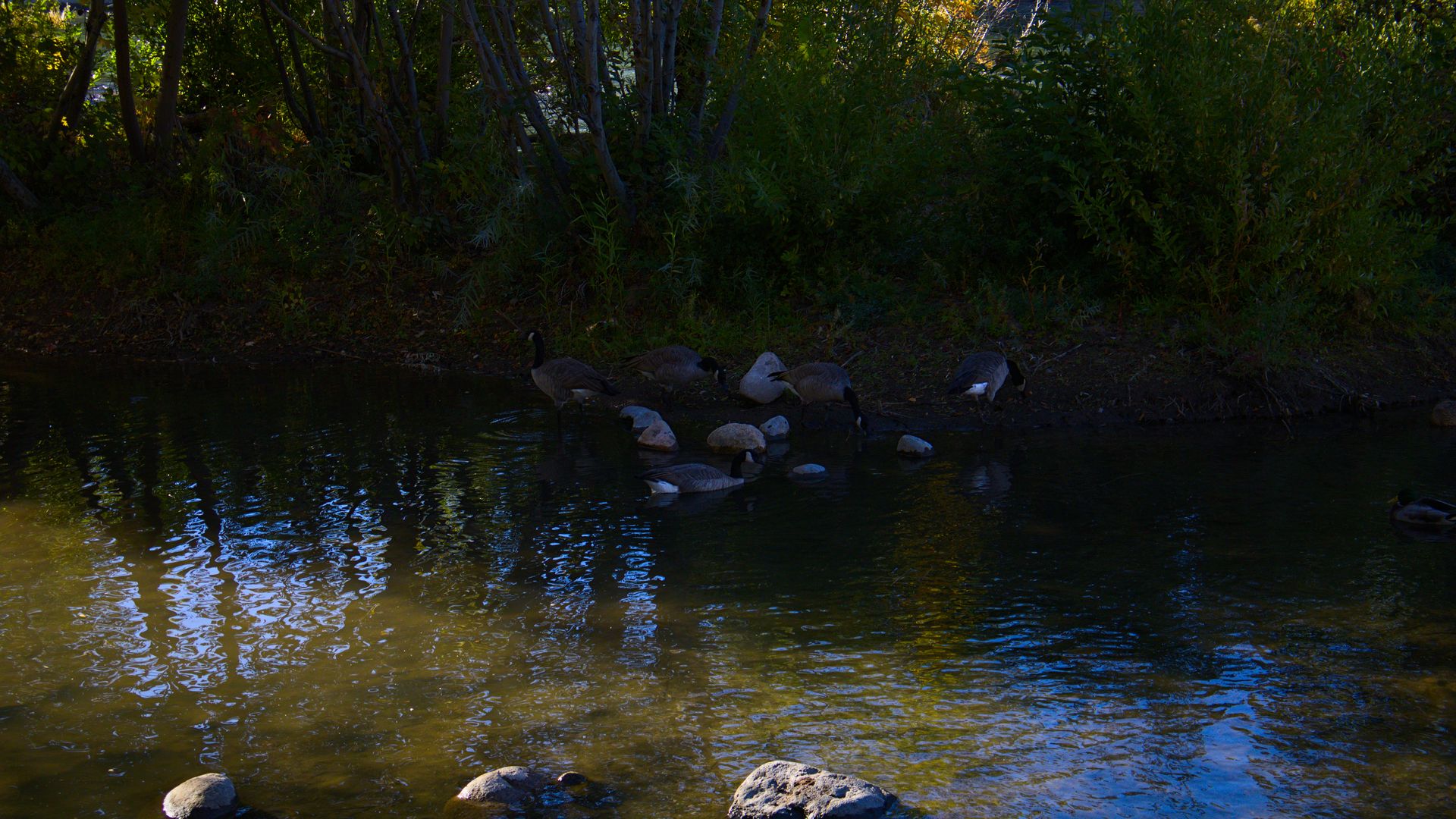
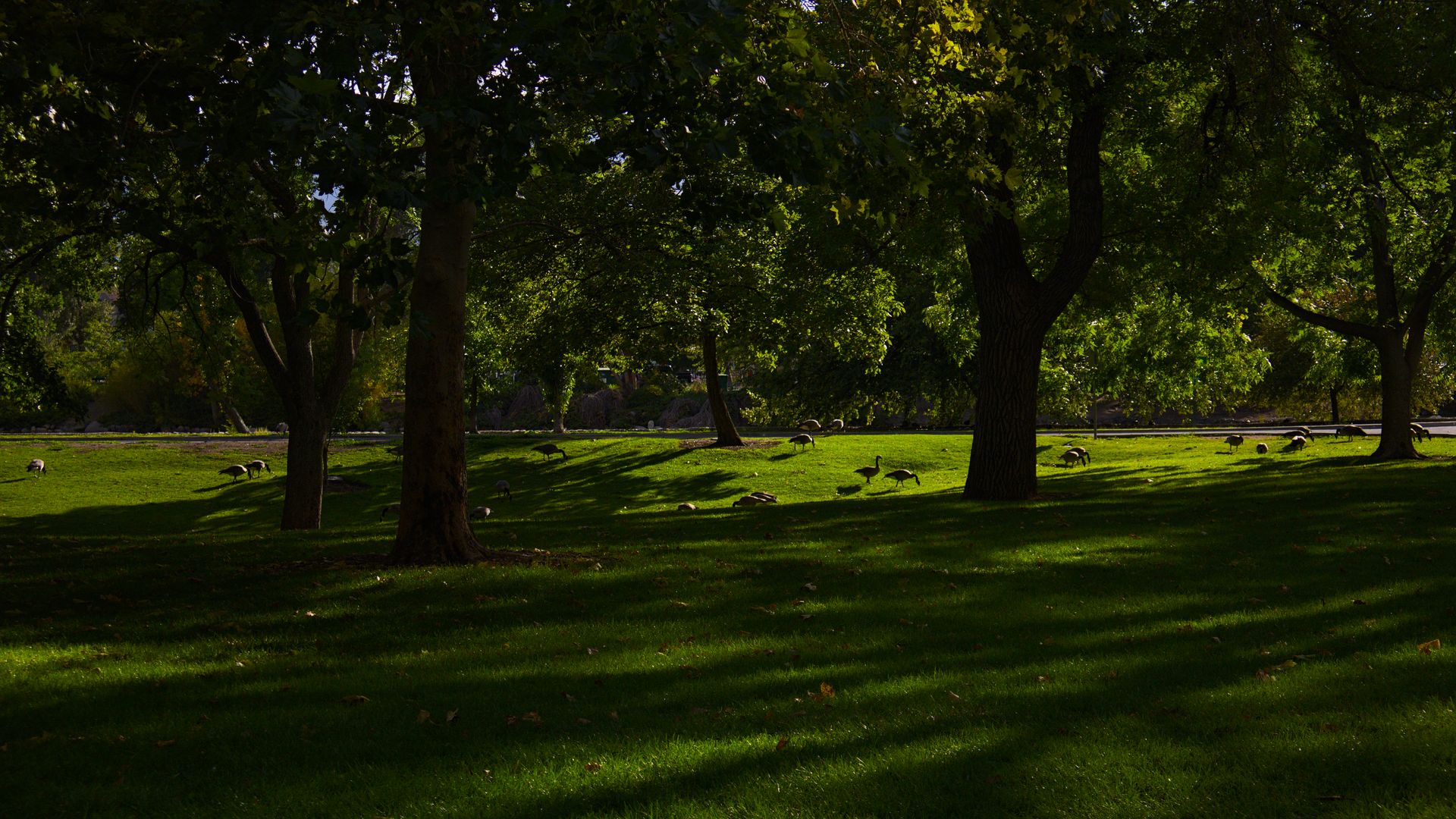
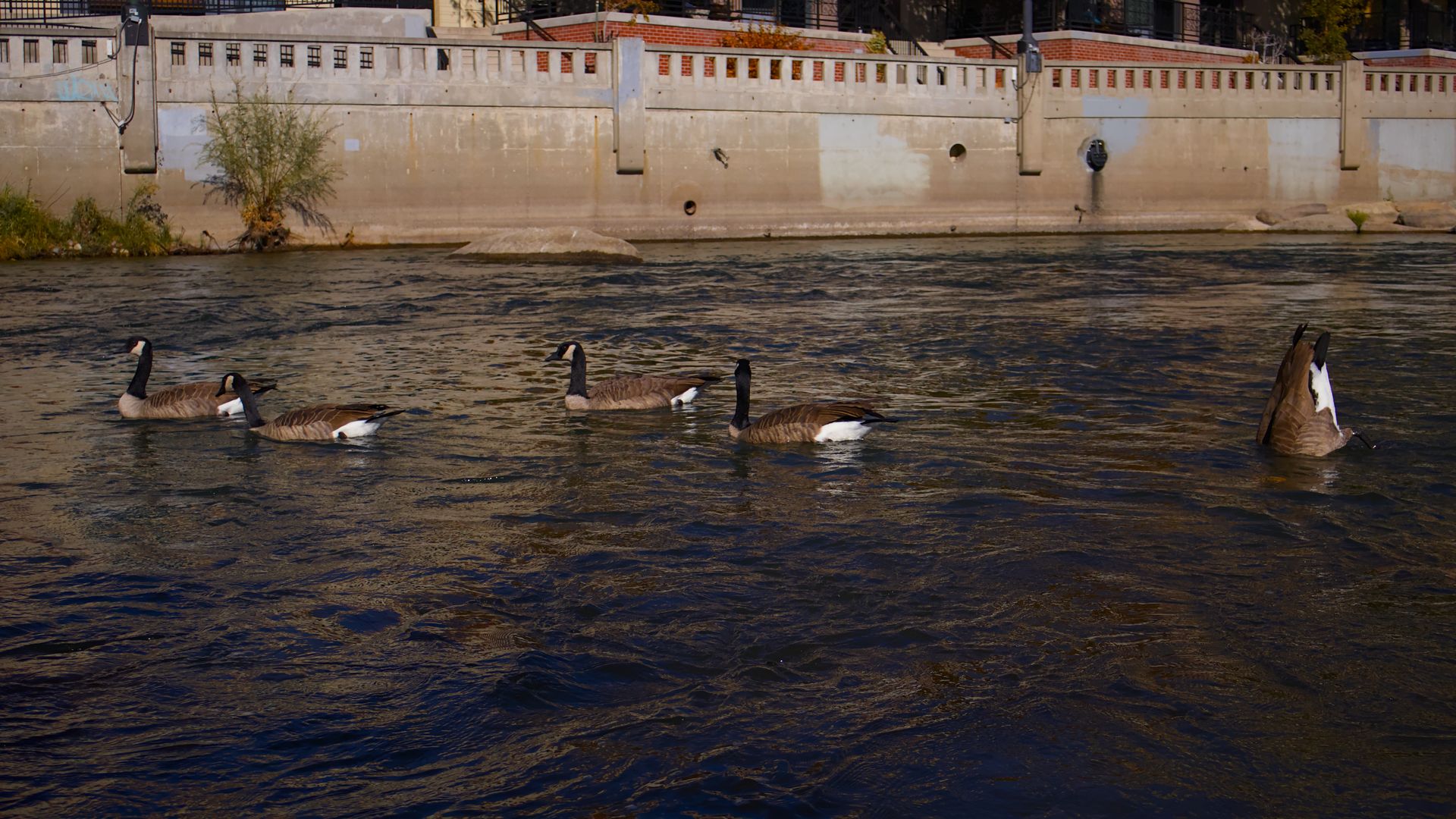
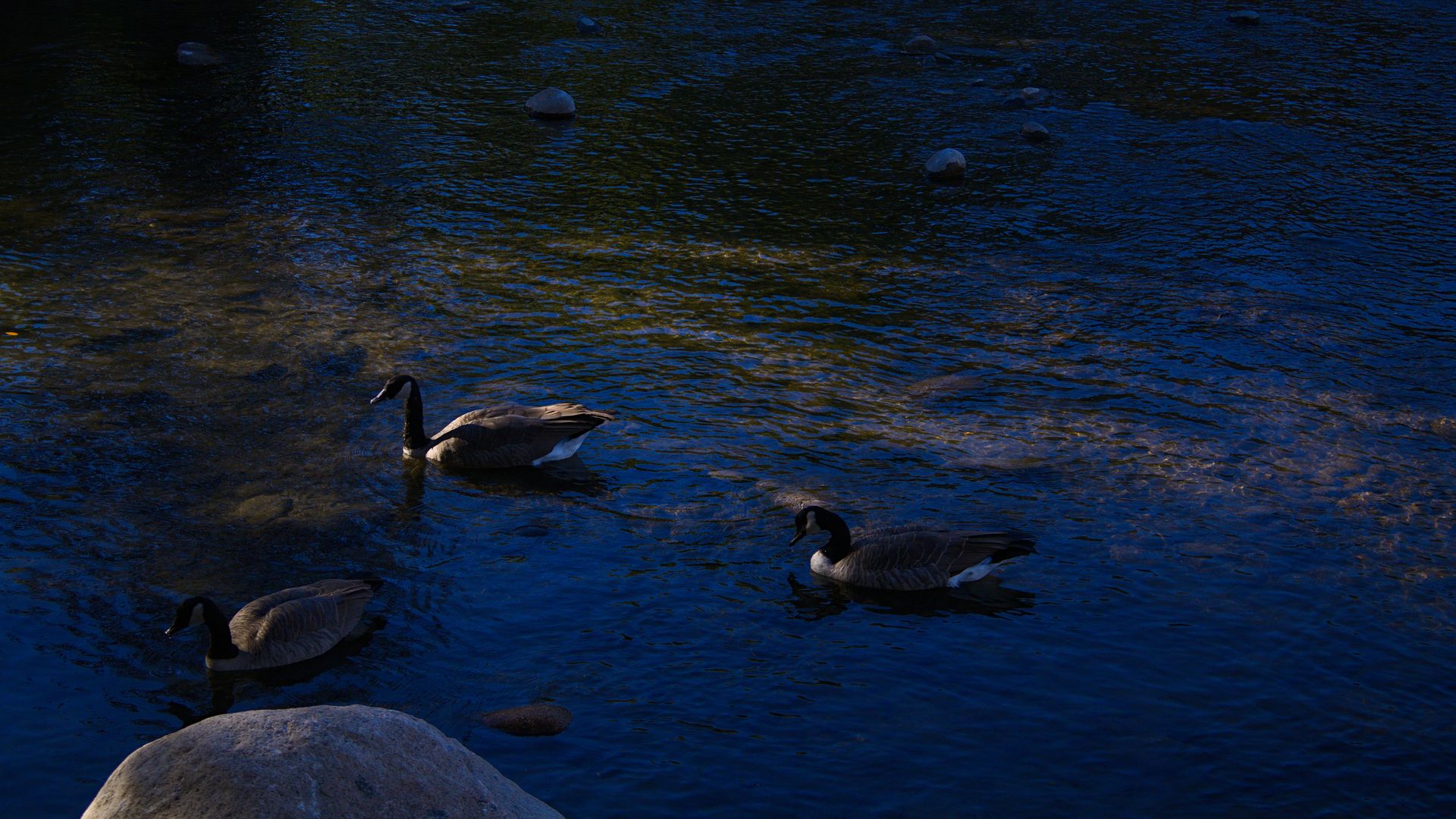
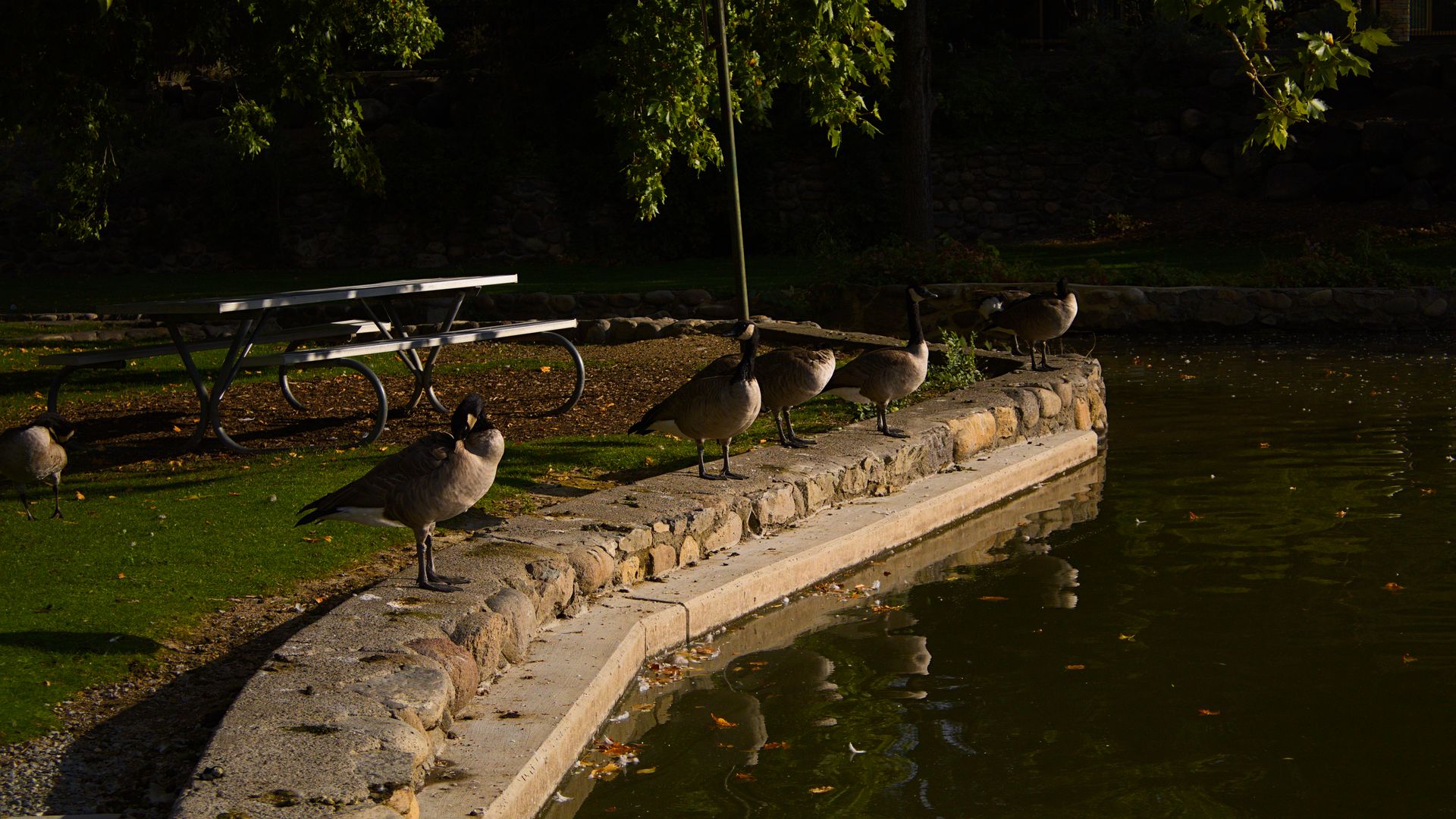
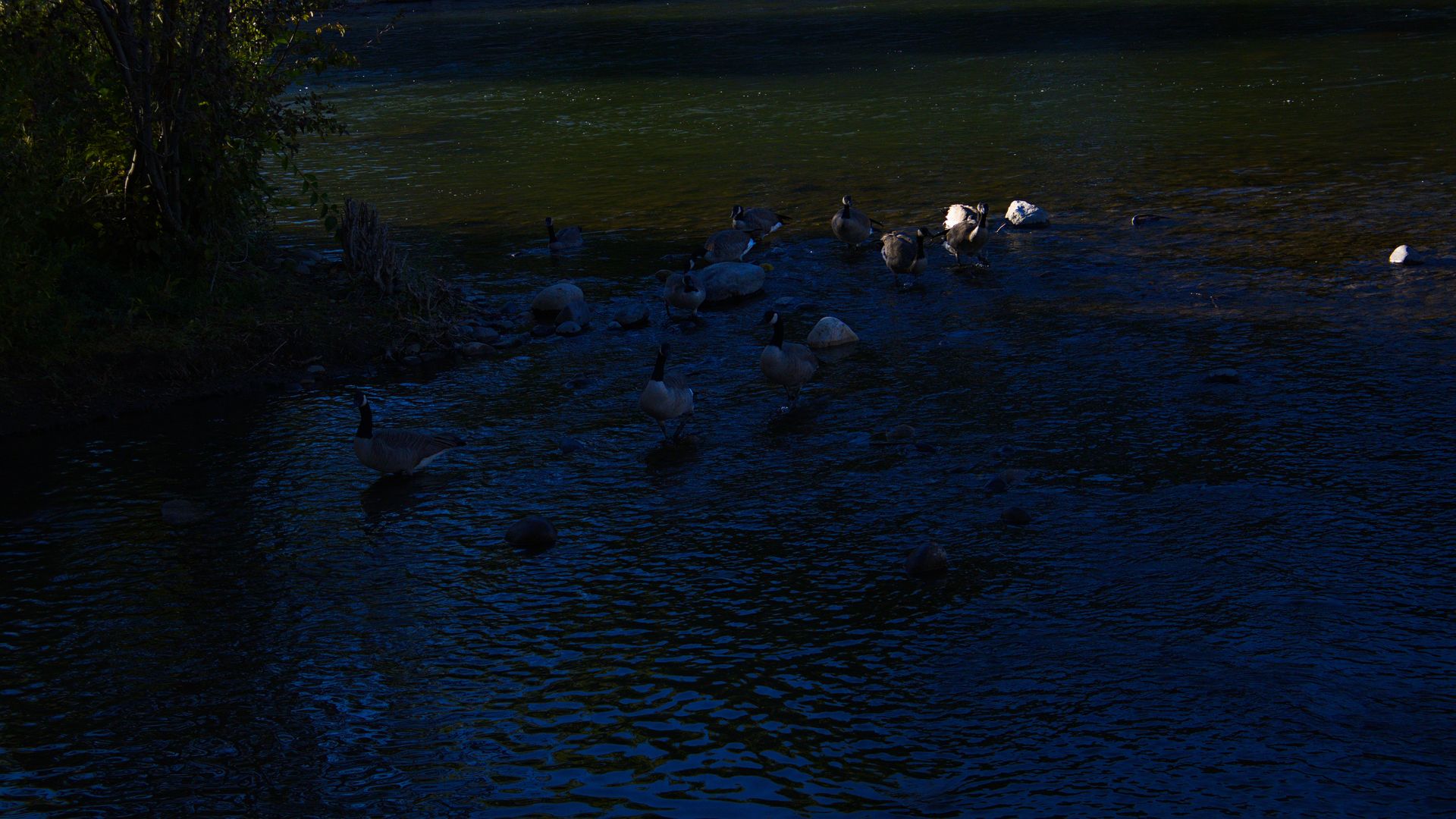
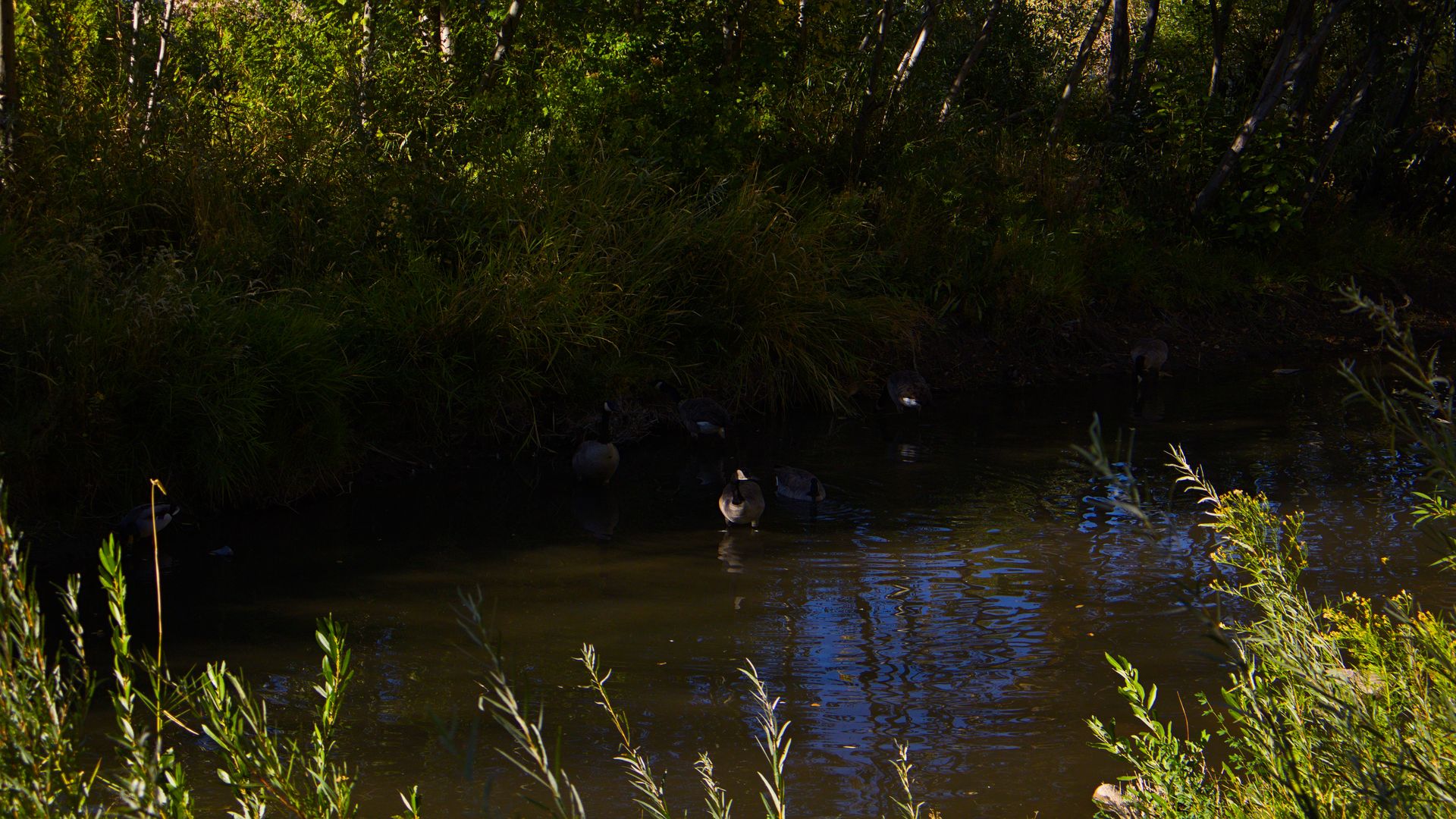
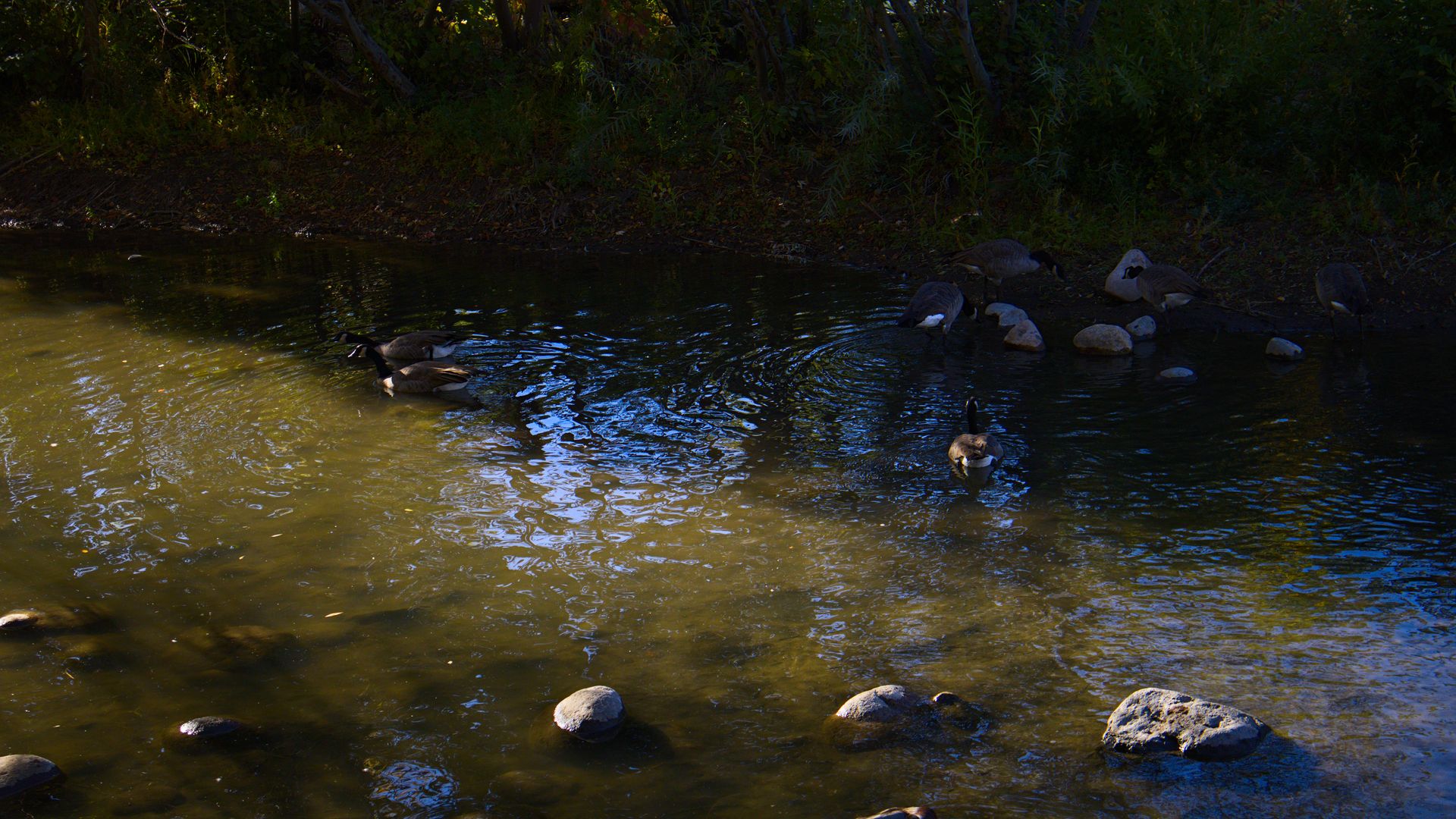
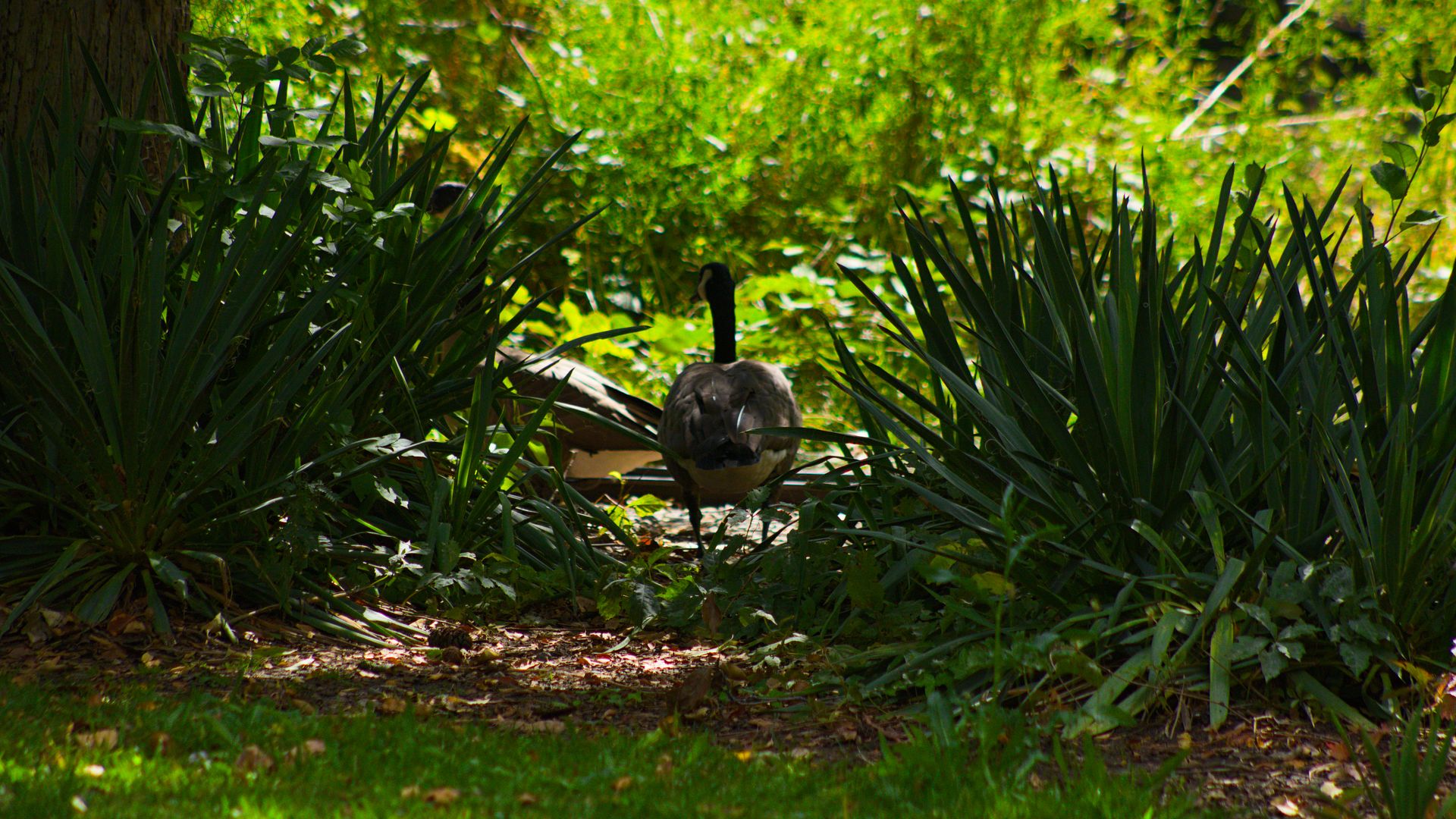
The Canada goose is a large wild goose with a distinctive black head & neck, white cheek patches & a brownish-gray body. They measure 25 to 43 inches in long body length with a wingspan reaching up to 5.7 feet. This species is native to North America, they breed in Canada & the northern United States in a wide range of habitats. They are famous for their seasonal migrations in distinct "V" formations, which conserve energy during long flights. They're primarily herbivores that graze on grass, grains & aquatic plants.